
As AI accelerators move deeper into kilowatt-class power envelopes, rising package heat flux and rack density are pushing conventional cooling architectures toward their practical limits.
The emergence of 2-Phase Direct-to-Chip (2-phase DTC) cooling offers a compelling alternative to single-phase solutions, especially in high-density data centers. Higher fluid temperatures result in the potential for year-round compressor-free primary heat rejection in many climates, while also enabling higher-grade heat reuse. In practice, most facilities will continue to combine passive and active cooling technologies because of mixed workloads, temperature zone variations, residual air-cooling needs and resilience requirements.
For a broader view of how liquid, air and hybrid technologies come together for accelerated computing, explore our AI data center cooling solutions.
The Silicon Thermal Wall: Why Legacy Cooling Is Reaching Its Limits
Modern AI clusters – including current-generation platforms like NVIDIA Blackwell (700 W–1,400 W per GPU) and projected roadmap architectures such as Rubin (1800-2300 W per GPU) and Rubin Ultra (spikes up to 3600 W per GPU) – generate heat flux densities exceeding 500 W/cm².
Why Air and Single-Phase Cooling Become More Challenging
- Air Cooling Limit (~400W–500W/chip): Air lacks the volumetric heat capacity required to remove extreme heat flux without extreme heat sinks and fan power consumption (>20% of total rack power).
- Single-Phase Liquid Limitations at Extreme Heat Flux: Single-phase liquid cooling relies on sensible heat transfer (Q = ṁ · cp · ΔT). Removing heat from kilowatt-class GPUs requires high fluid mass flow rates (ṁ) through narrow microchannel cold plates. This creates steeply rising hydraulic pressure drops, higher pumping overhead, and increased risks of erosion and cavitation.
The Physics of 2-Phase Cooling: Latent Heat vs. Sensible Heat
Two-phase liquid cooling addresses this hydraulic bottleneck by utilizing latent heat of vaporization rather than relying solely on sensible heat absorption. During boiling, additional thermal energy changes the fluid phase from liquid to vapor rather than increasing its temperature, allowing substantially more heat to be transported with significantly lower mass flow rates.
Instead of heating a liquid fluid from Tin to Tout, a low-boiling-point dielectric fluid changes phase directly at the cold plate surface at a constant boiling temperature:
Q = ṁ · hfg
More Uniform Cooling Across Heterogeneous Packages (GPU + HBM)
Modern AI accelerators integrate high-logic GPU dies with sensitive High Bandwidth Memory (HBM3e/HBM4) stacks on a single substrate, where memory temperatures must be tightly controlled to avoid throttling and reliability issues.
- Sensible Heat Limitations: Single-phase fluid absorbs heat along its flow path, creating a temperature gradient across the cold plate. The fluid at the outlet is noticeably hotter than at the inlet, risking thermal gradients and localized overheating on downstream memory stacks.
- The 2-Phase Advantage: Boiling can occur at a controlled saturation temperature, helping reduce coolant-temperature rise along the cold plate and supporting more uniform thermal conditions across heterogeneous GPU and memory packages.
- Mass Flow and Pumping Overhead Reduction: Because latent heat absorbs substantially more energy per unit mass than sensible heat, 2-phase systems can materially reduce required mass flow and pumping burden.
Dielectric Fluids, Safety, and Regulatory Nuance
Fluid selection is one of the most important design and procurement decisions in a 2-phase system. Thermal performance must be considered together with electrical properties, material compatibility, pressure, flammability, toxicity, lifecycle emissions, regulatory status, availability, recovery, and end-of-life handling.
- Regulatory Landscape (PFAS Context): Historical fluorinated fluids face evolving global regulatory scrutiny (such as ongoing REACH restriction proposals in Europe and EPA frameworks in the US). Chemical selection must account for regional compliance and long-term fluid availability.
- Next-Generation Formulations: Modern 2-phase DTC developments focus on engineered low-GWP (Global Warming Potential), zero-ODP (Ozone Depletion Potential) dielectric liquids, though chemical compliance remains vendor and region-specific.
- Dielectric Safety & Electrical Risk Mitigation: Unlike single-phase liquid cooling loops utilizing water-glycol mixtures – where leaks pose short-circuit risks to mission-critical IT assets – 2-phase DTC utilizes non-conductive dielectric fluids. In the event of a leak, the dielectric liquid rapidly vaporizes without causing immediate electrical shorts on live power rails.
- System Fluid Integrity: Sealed condensers, piping and connections, and appropriately designed rack-side distribution manifolds minimize fluid loss and pressure drop, supporting operational stability and environmental compliance over the system lifecycle.
From Chip Heat to Facility Heat Rejection
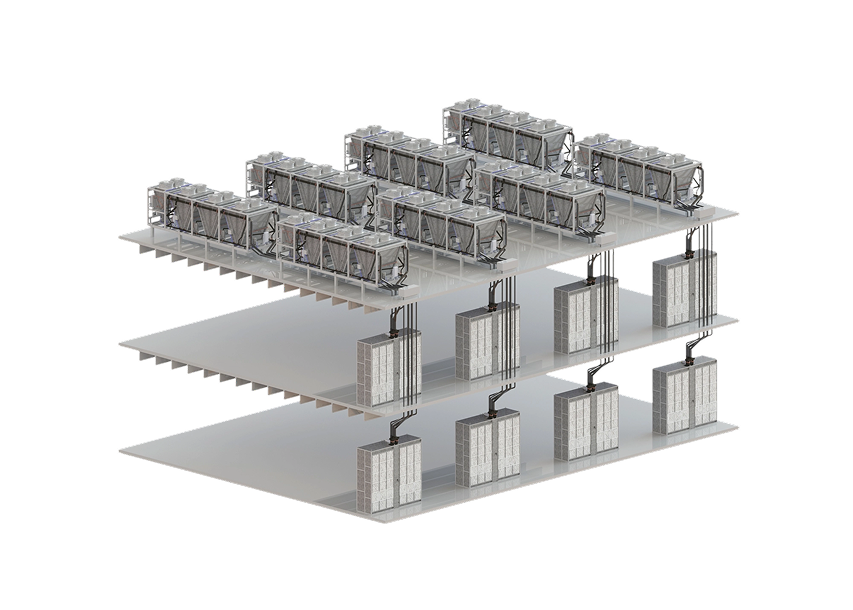
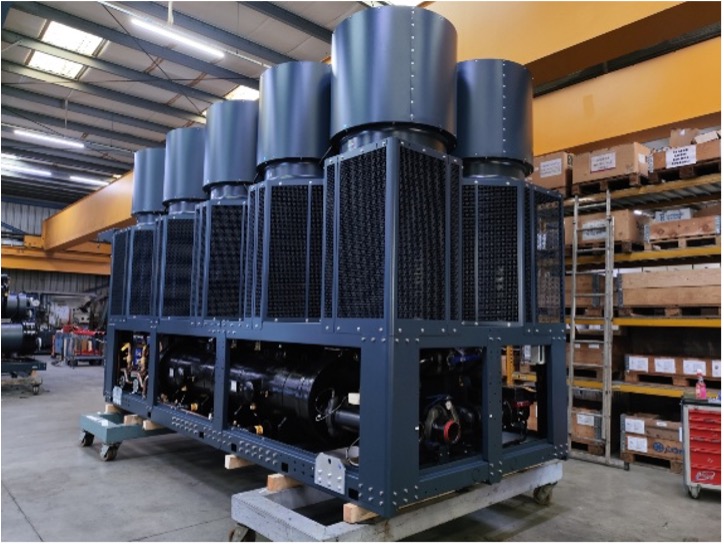
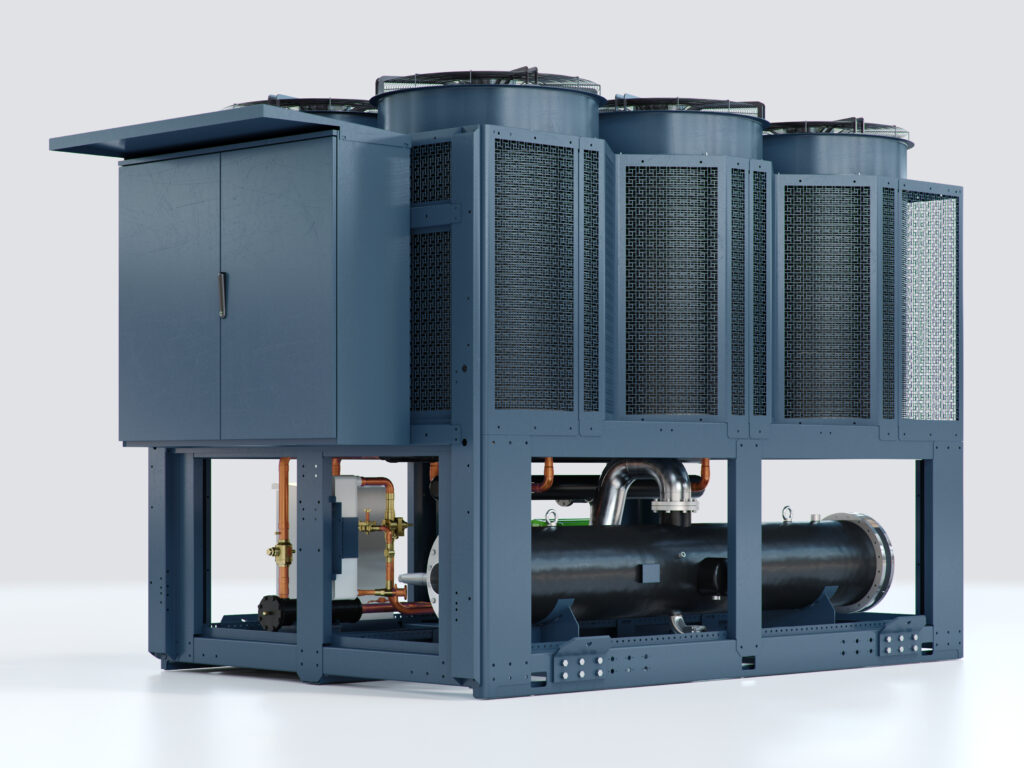
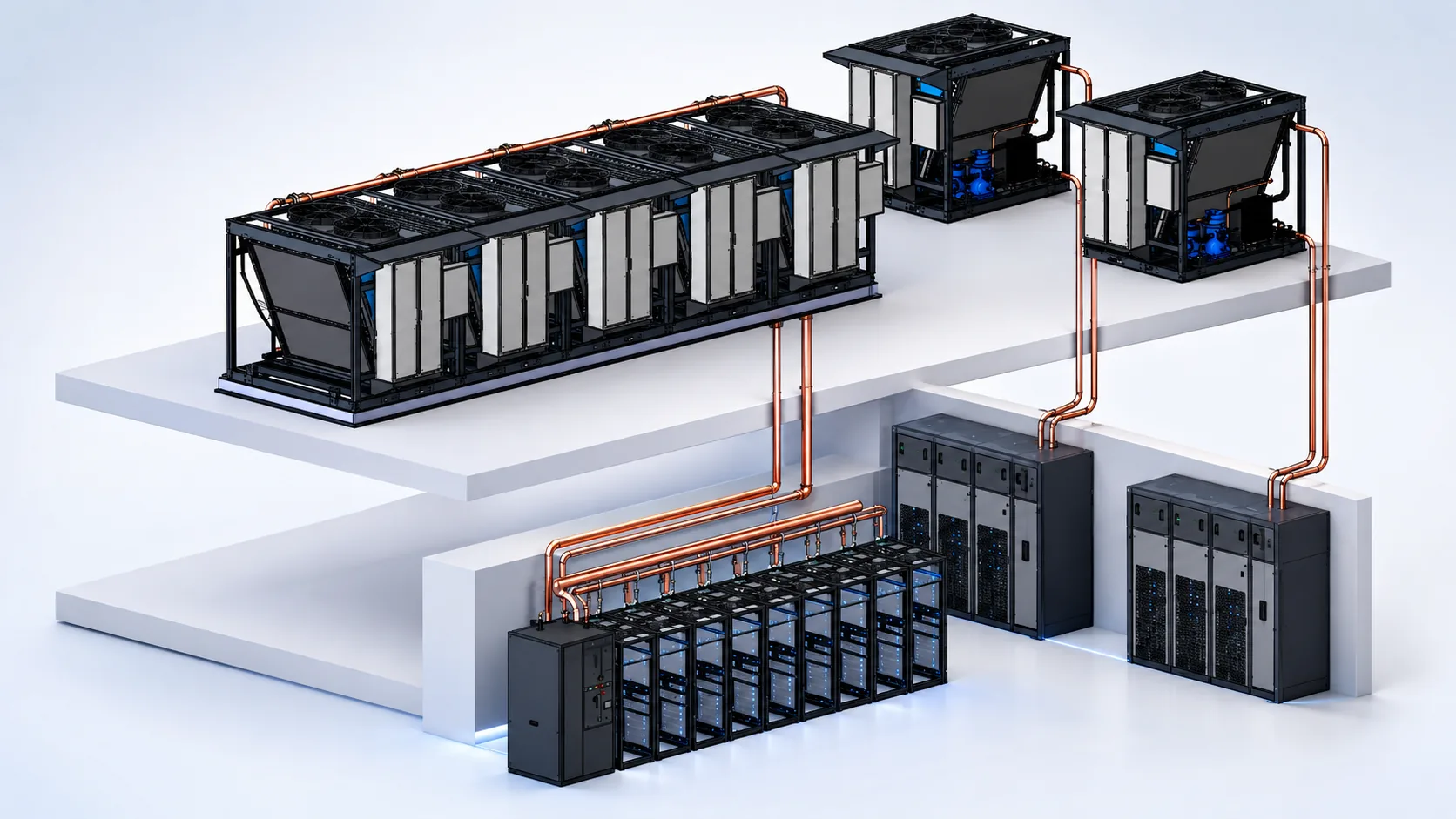
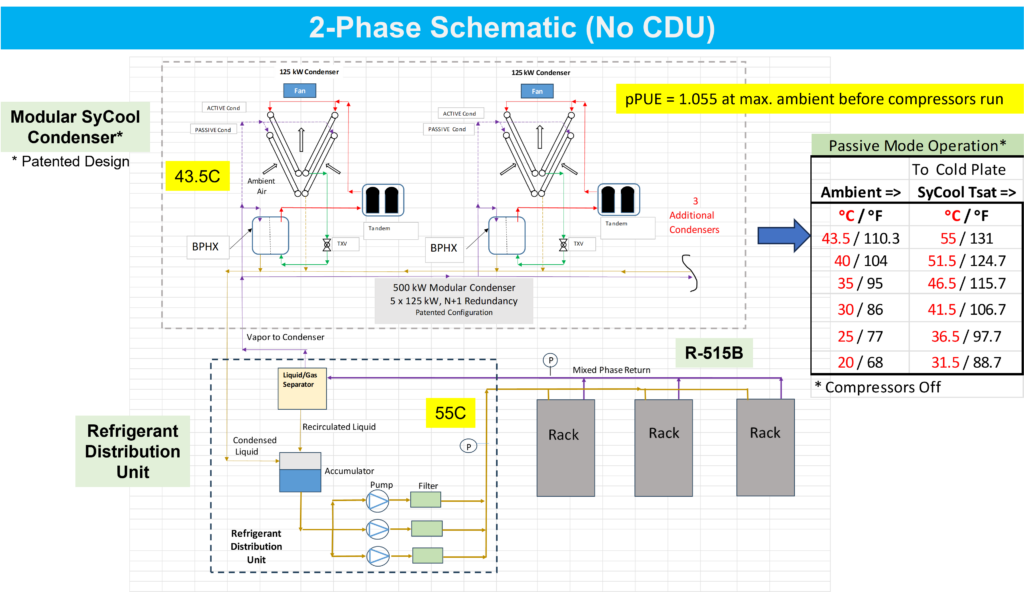
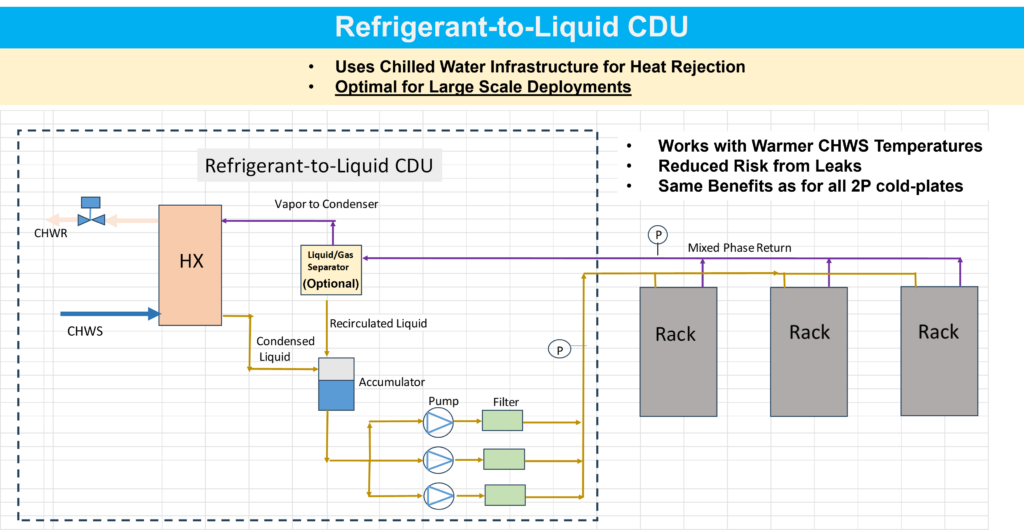
Emerging 2-phase architectures are projected to yield return fluid (vapor) temperatures in the 55°C–60°C range, materially expanding heat-rejection and heat-reuse options at the facility boundary. There are Four Primary Methods of Rejecting the heat from 2-phase cold-plate architectures:
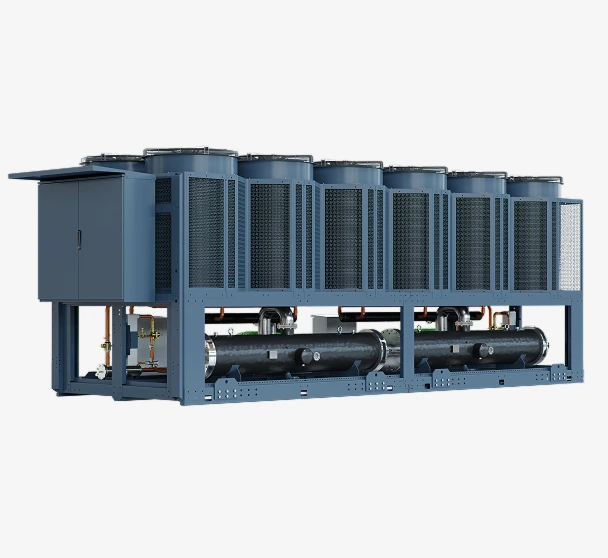
- Refrigerant-to-Ambient (no CDU) – Most energy efficient, waterless, best solution for smaller data centers
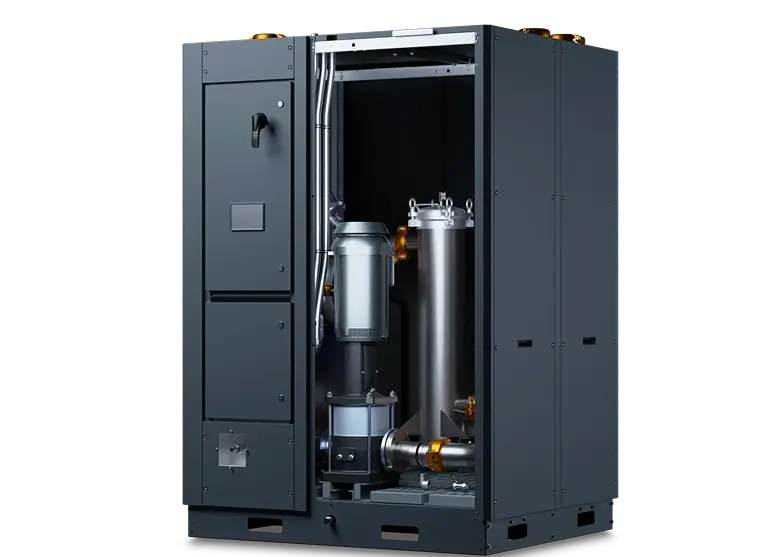
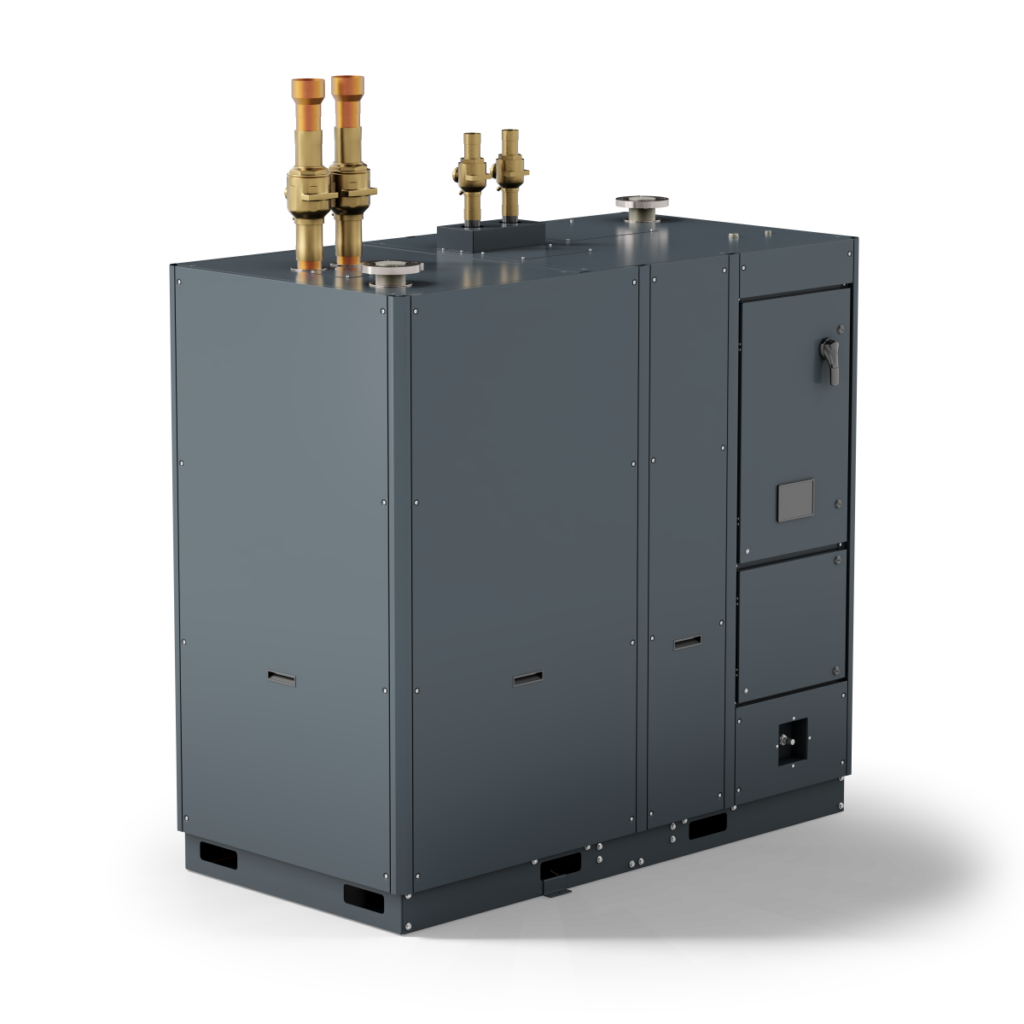
- Refrigerant-to-Refrigerant CDU – Waterless and efficient good alternative for smaller installations where a separation between Technology and Facility (heat rejection) fluids is desired.
- Refrigerant-to-Liquid CDU – Good solution for large scale data centers and offers efficiency improvements that result from warmer facility water temperatures
- Refrigerant-to-Air – Allows 2-phase DTC cooling to be deployed in air-cooled facilities
Evolving Facility Architecture: The Hybrid Infrastructure Reality
High-temperature 2-phase liquid cooling expands design possibilities, but data centers are rarely single-technology environments. In practice, next-generation AI facilities operate as hybrid systems – combining dry cooling economization with targeted mechanical refrigeration, adiabatic assist, and multiple temperature zones to manage real-world operational constraints.
Key Drivers for Hybrid Thermal Architecture:
- Residual Air-Cooling Loads: Even in high-density liquid-cooled racks, auxiliary components such as power supply units (PSUs), voltage regulators, and networking management cards may continue to rely on air cooling, requiring dedicated low-temperature air-handling infrastructure.
- Approach Temperatures & Peak Ambient Conditions: Heat transfer from chip to fluid to ambient air requires temperature steps at each heat exchanger boundary. During peak summer conditions, tight approach temperatures mean dry coolers or refrigerant condensers may require adiabatic assist or supplemental mechanical cooling support to maintain specified temperature environments.
Facility Engineering Takeaway: 2-phase cooling redefines system boundaries rather than erasing the need for comprehensive thermal management. Optimizing the facility requires an integrated approach.
What Operators Need to Design For
While the thermodynamic advantages of 2-phase DTC are compelling, facility engineers and CIOs must evaluate practical implementation trade-offs:
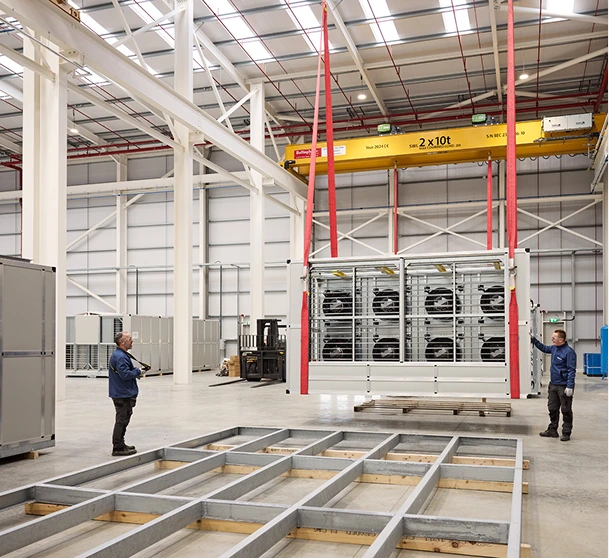
- Heat Rejection Supply Chain & Standard Integration: Specialized 2-phase heat rejection systems with vapor condensers represent an emerging product category, requiring close coordination between chip manufacturers, server and rack OEMs, cold-plate and heat rejection suppliers, and 2-phase fluid producers.
- Technician Training & Operational Workflows: Data center technicians must be trained to understand and operate 2-phase liquid cooled facilities.
Key Takeaways
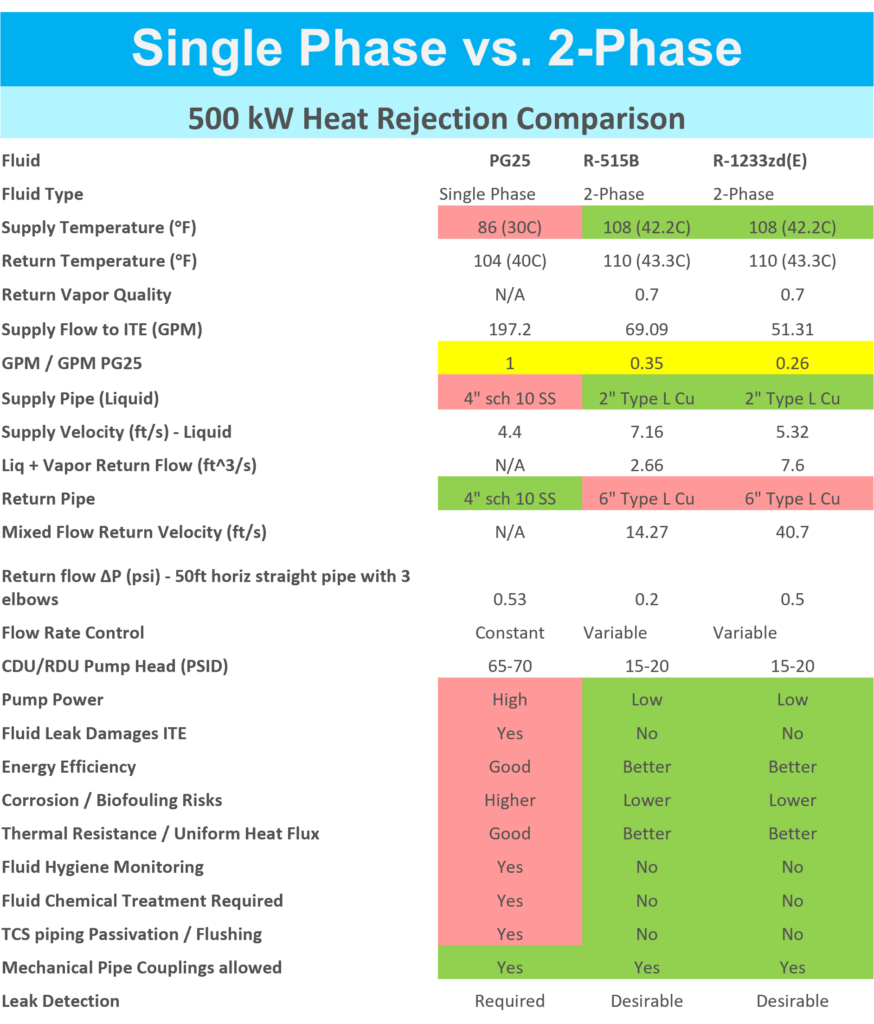
- 2-phase DTC (one working fluid from chip to ambient) is a very energy-efficient option that uses as little as ¼ of the annual energy vs. a best-in-class CHW system with single-phase DTC cooling
- 2-phase DTC cooling reduces risks associated with leaks, since refrigerants are dielectrics
- 2-phase DTC cooling eliminates bacterial growth and corrosion concerns associated with single-phase water-based (PG25) fluids
- 2-phase cold plates provide more uniform heat flux, lower thermal resistance, and allow for warmer fluid temperatures, thus resulting in more potential passive cooling hours vs. single-phase cold plates
Additional Benefits of 2-Phase Cooling Systems:
- No passivation of field TCS piping required
- No TCS fluid hygiene monitoring system or chemical treatments required
- TCS pump energy savings