

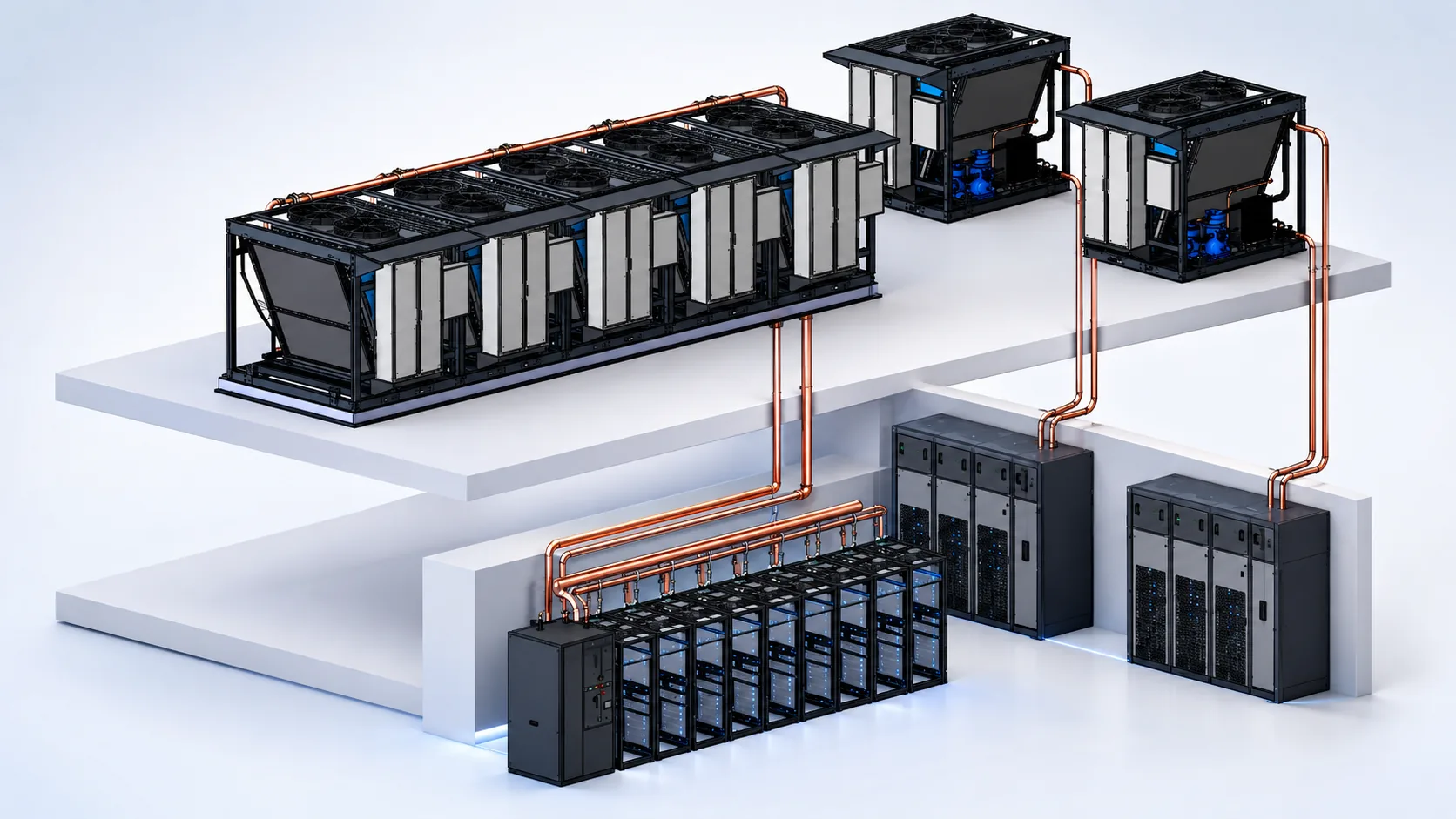
Liquid Cooling for Data Centers
AI, HPC, and next-generation compute loads are pushing heat densities beyond the limits of air cooling. Liquid cooling removes heat at the source, enabling higher rack densities, lower PUE, and stable performance.
Validate the right hybrid or liquid-cooled architecture with Munters experts.
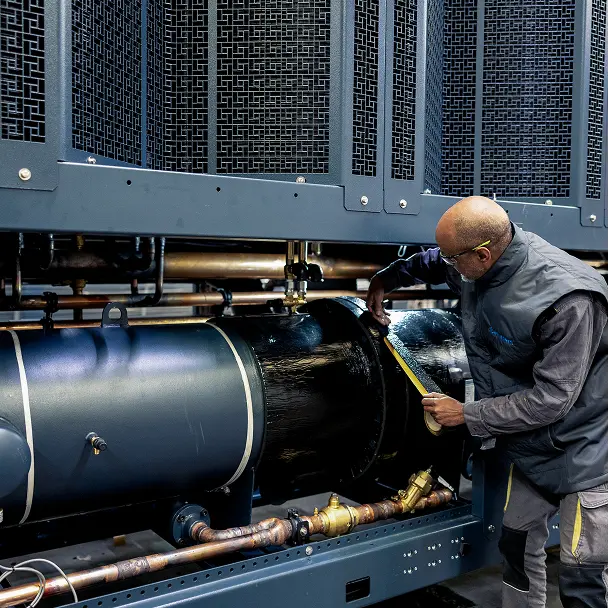
Complete Cooling Technologies for Modern Data Centers
Liquid cooling is part of a broader data center cooling strategy. Explore how air, liquid, hybrid and heat rejection technologies work together in data center cooling systems.
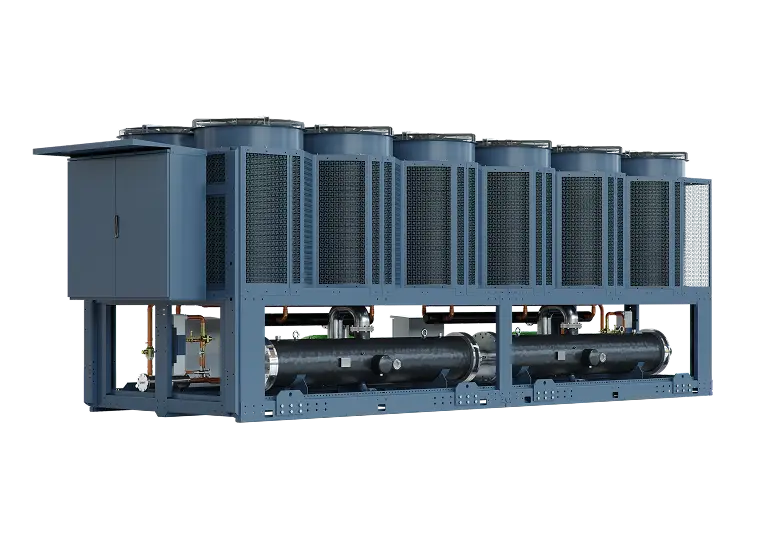
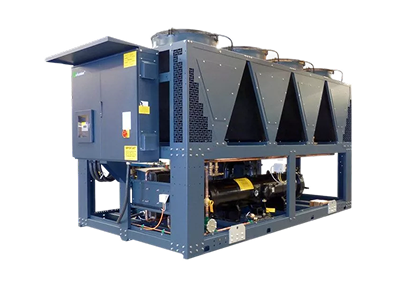
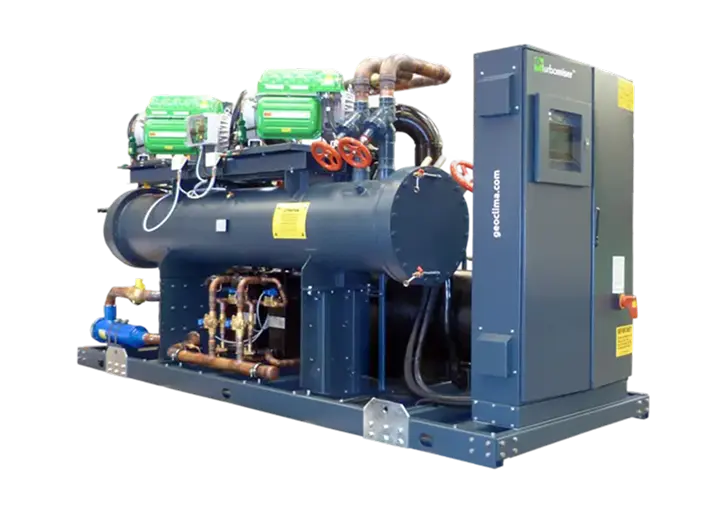
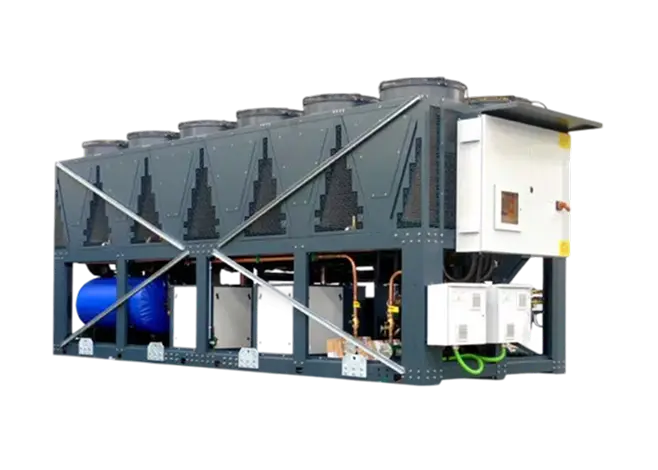
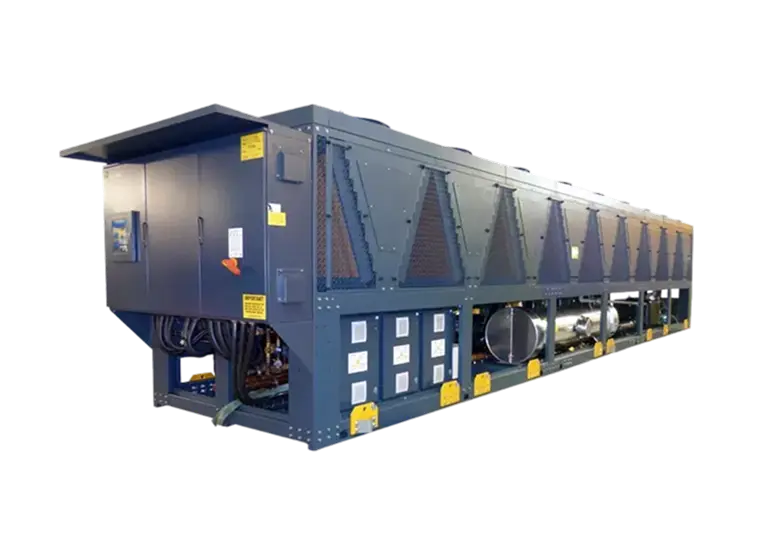
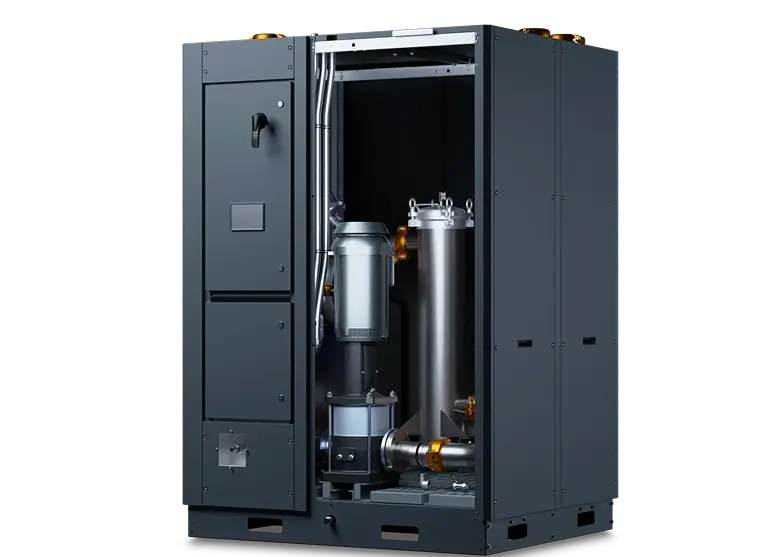
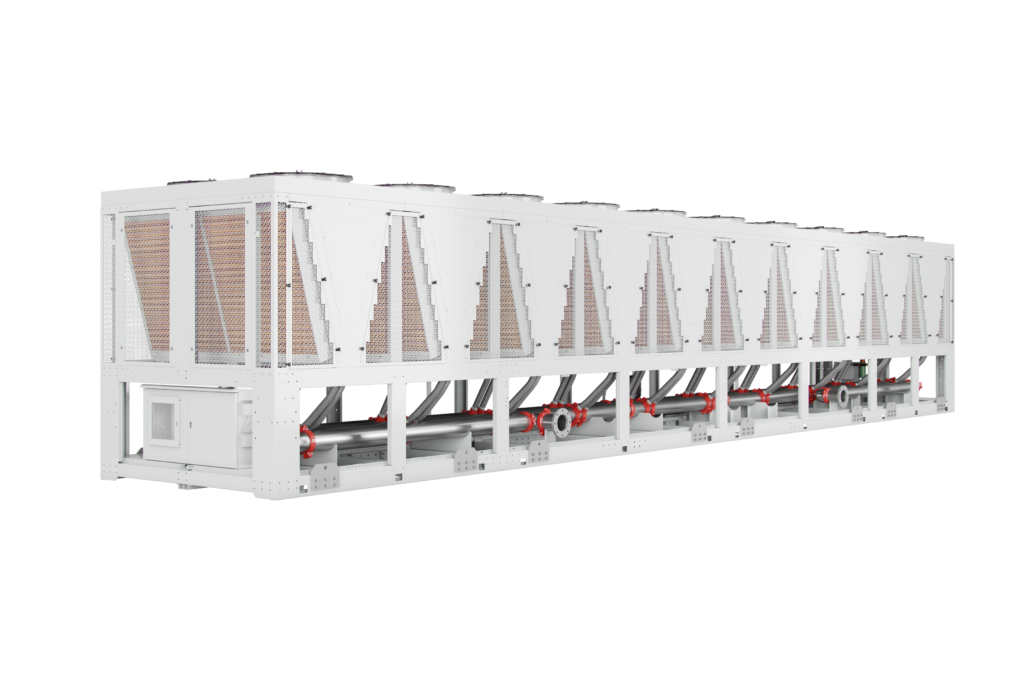
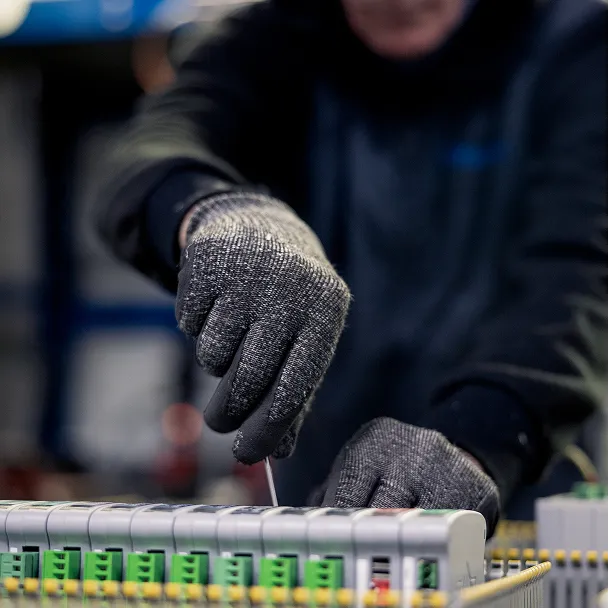
Liquid Cooling Solutions
Liquid cooling is the foundation of modern infrastructure
It has evolved into the mandatory standard for high-density deployments, providing the thermal headroom required for next-generation compute.
Why Data Centers are Shifting to Liquid Cooling
The move toward liquid cooling is driven by rising compute intensity and energy demands. Modern facilities choose liquid cooling because it delivers:
- Stable cooling for high-density, high transient AI and HPC loads
- Lower PUE and sharply reduced fan power
- Greater rack density per square foot
- Improved reliability in high-ambient, water-constrained or space-constrained environments
- Flexibility for hybrid air-and-liquid deployments
- A clear upgrade path for next generation GPU and CPU roadmaps
- Seamless coexistence with air cooling to protect diverse hardware types across the white space
Liquid cooling technologies explained
Data centers use different liquid cooling approaches depending on density, architectures and operational need. The most common options include:
-
Direct-to-chip liquid cooling
Single-phase
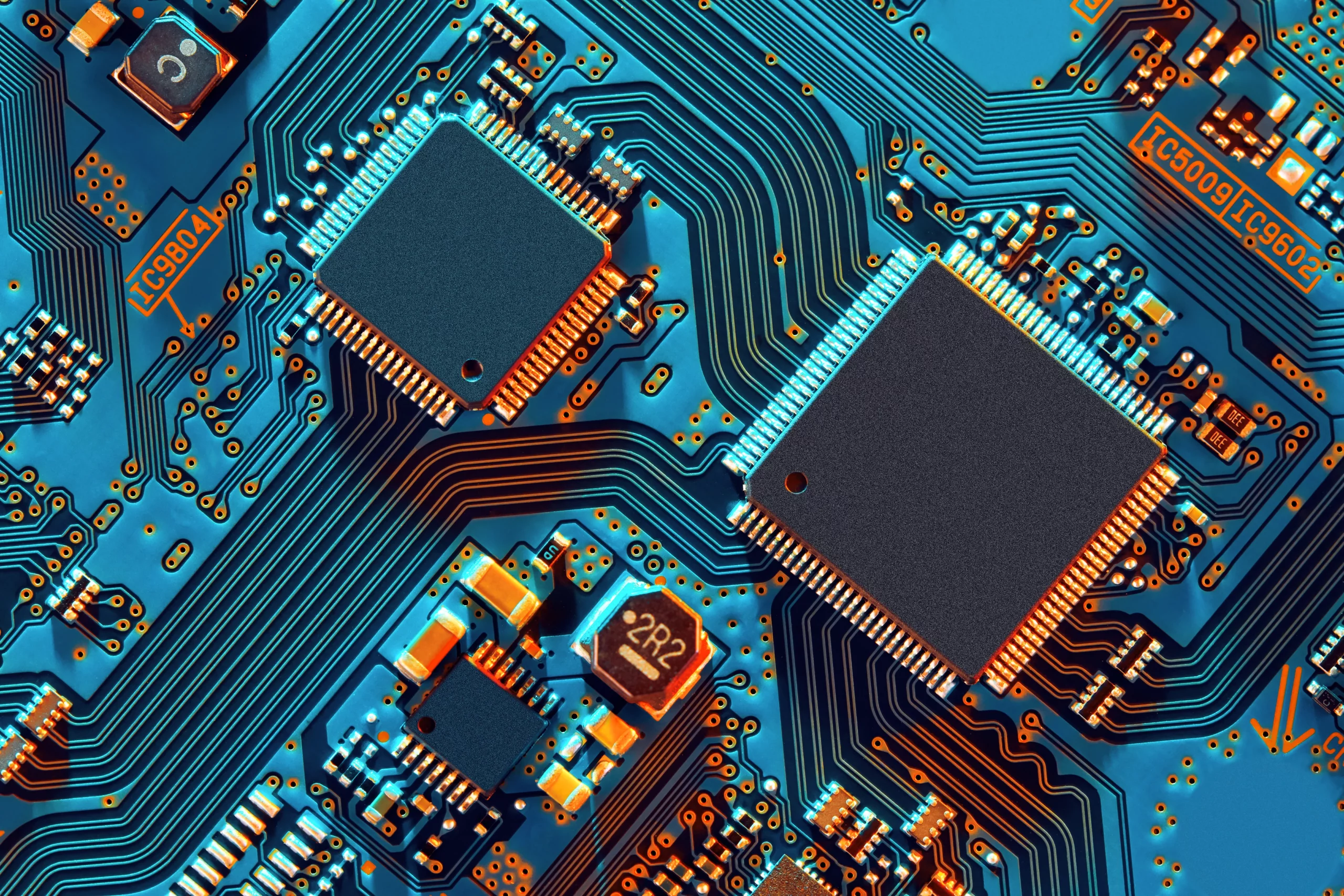
Liquid circulates through cold plates attached to CPUs and GPUs, removing heat directly at the source. Ideal for dense AI and HPC racks.
Two-phase
Refrigerant or dielectric fluid evaporates at the cold plate and condenses elsewhere in the loop. Delivers maximum efficiency for ultra high density compute.
-
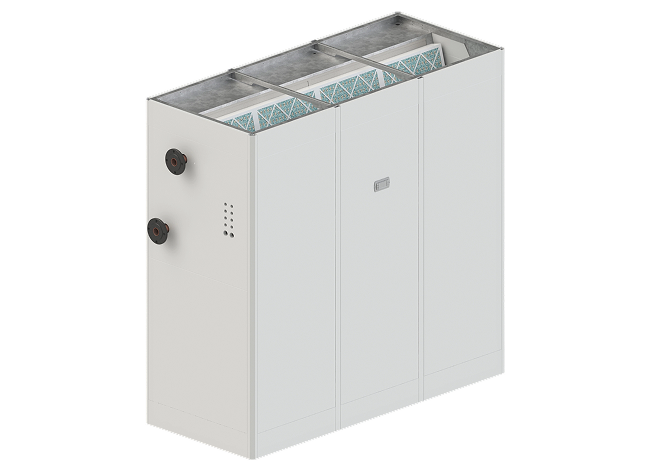
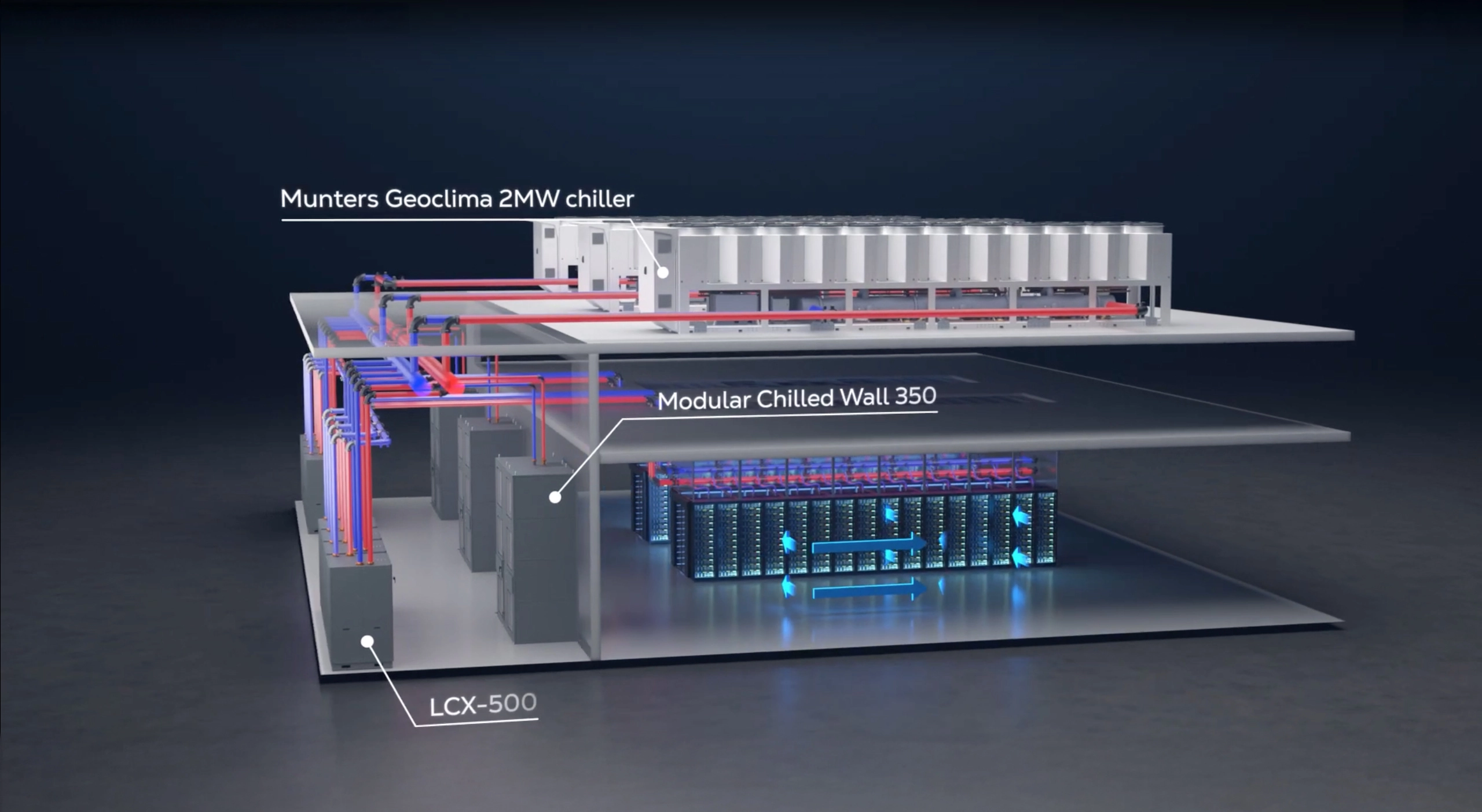
Liquid-to-liquid CDUs (LCX)
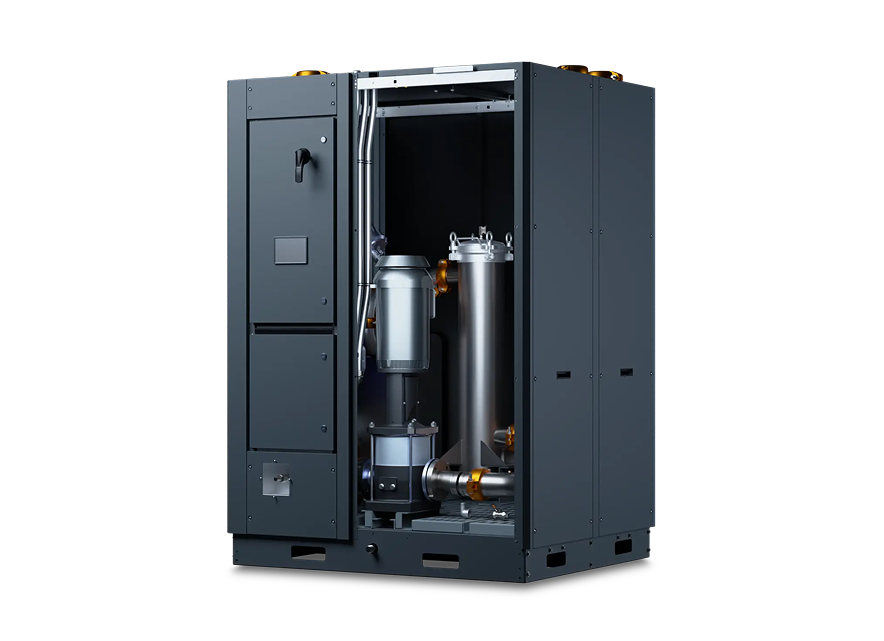
Munters LCX transfers heat from the server-side liquid loop to a facility water loop (chilled or elevated-temperature), while providing pumping, pressure control, filtration and temperature regulation.
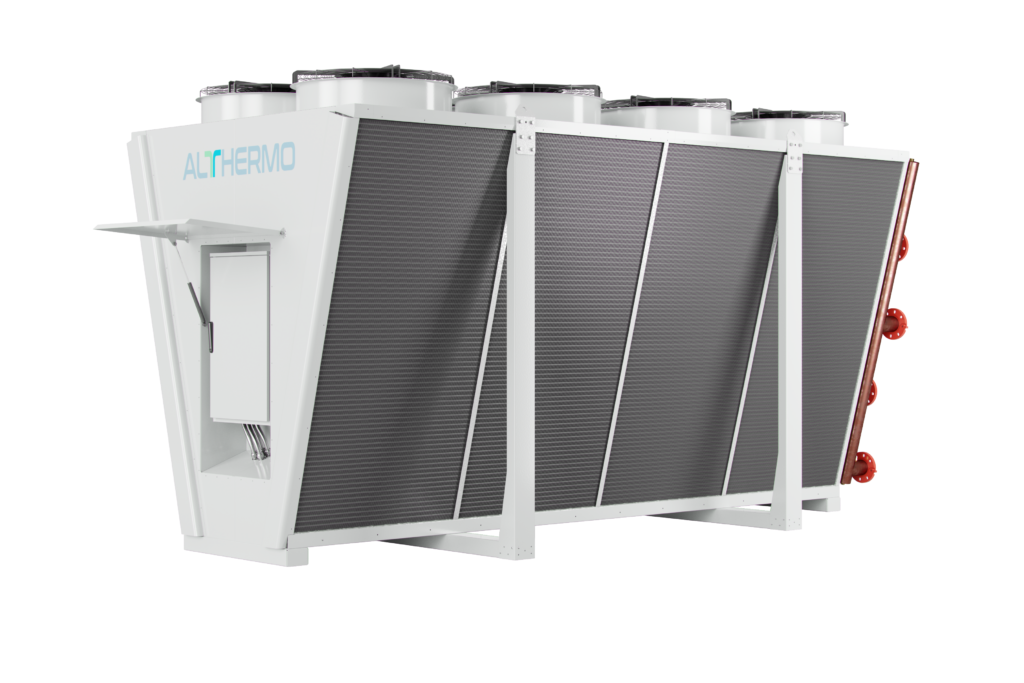
Used with chillers, dry coolers or free-cooling systems in standard liquid-cooling deployments.
-
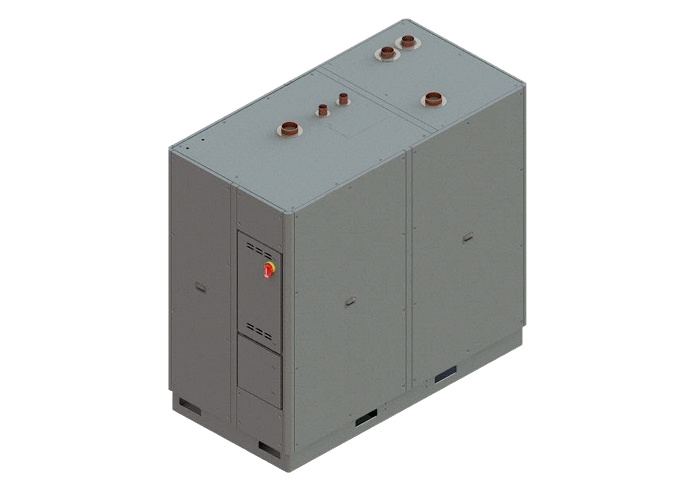
Liquid to refrigerant CDUs (SyCool LCE)
Transfers heat to a refrigerant thermosyphon instead of chilled water. Enables fully water-free liquid cooling for sites with water constraints.
-
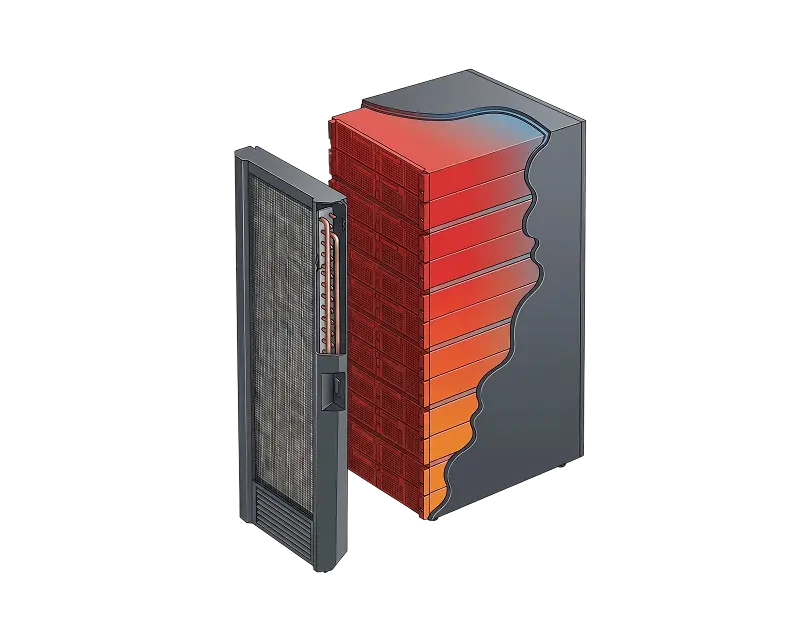
Rear-door heat exchangers
Capture heat at the rack using liquid coils mounted in the rear door. Useful for retrofits or as a transition toward full liquid cooling.
-
Hybrid liquid + air cooling
Combines traditional air cooling with targeted liquid cooling for high density racks
Allows gradual adoption within existing facilities
Choose liquid cooling when
Heat density, efficiency or space constraints push beyond what air can reliably handle.
Note on Hybrid Environments: Choosing liquid cooling does not require abandoning air cooling. Most modern high-density facilities operate as hybrid environments, leveraging Munters CDUs to manage high-TDP AI clusters while existing CRAH or fan wall systems continue to handle the room’s ambient heat and lower-density racks.
- Rack densities exceed traditional limits
- AI, GPU or HPC clusters create rapid load swings
- Efficiency and low PUE are critical
- High ambient temperatures limit air cooling
- Floor space is constrained
- Noise reduction matters
- Water usage must be minimized (refrigerant based systems)
- Heat recovery for district heating is a priority
Choose air cooling when
Simplicity, cost control and moderate densities are the primary goals.
- Density is moderate
- Flexibility and simplicity are priorities
- Existing infrastructure supports growth
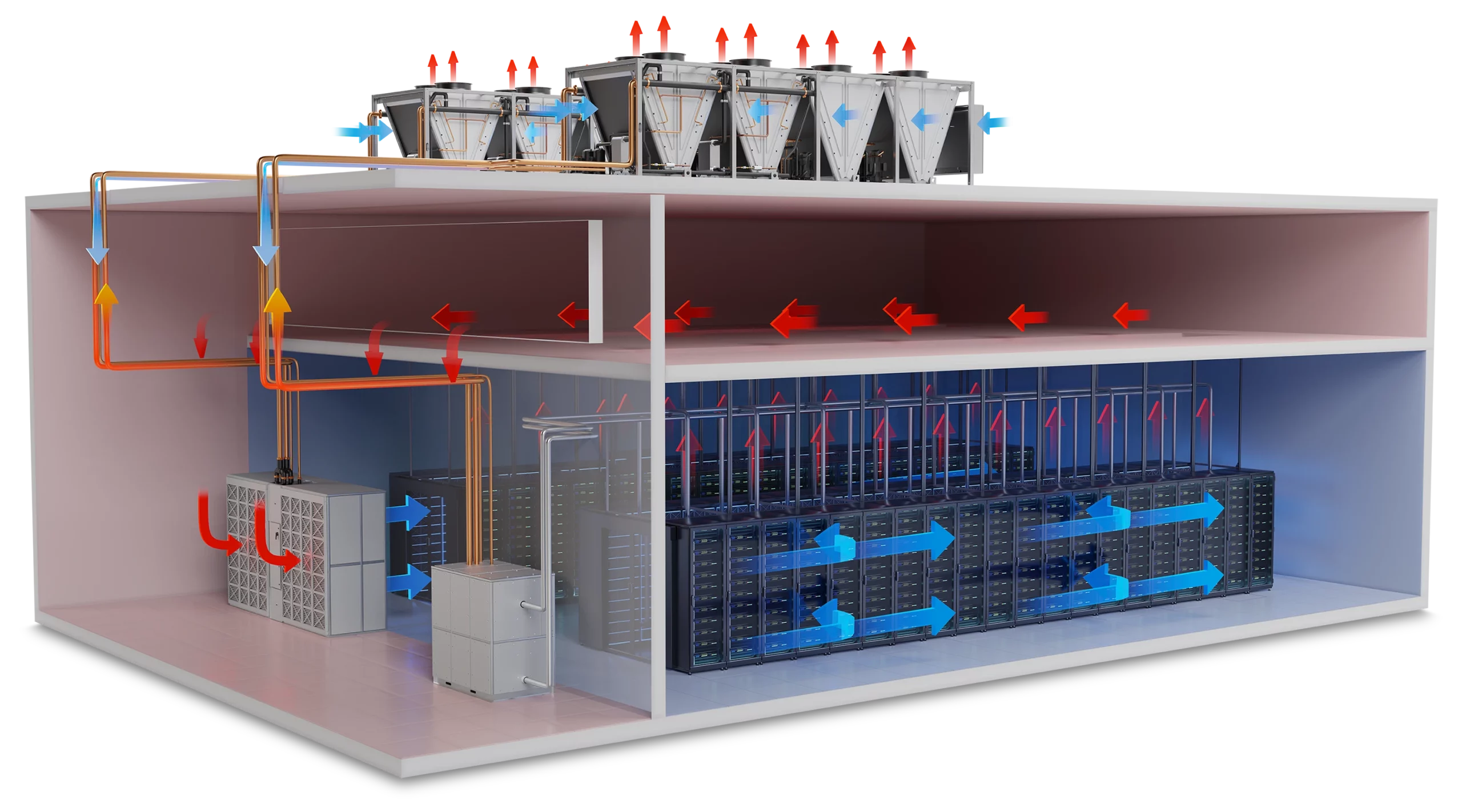
Munters SyCool LCE – refrigerant-based liquid cooling
For water-free or refrigerant-based cooling strategies. Munters offers SyCool LCE, a liquid-to-refrigerant CDU designed for thermosiphon architectures.
- Completely water-free operation
- High efficiency and low maintenance through thermosyphon technology
- Compatibility with refrigerant-based racks and next-generation direct-to-chip systems
- A conversion path from air cooling to liquid cooling in SyCool deployments
Industry trends shaping liquid cooling adoption
Several macro trends are accelerating the shift from air to liquid cooling across the data center industry.
As a result, liquid cooling is rapidly becoming the default architecture for high-performance compute.
For a deeper look at GPU density, AI workloads and future thermal requirements, explore our AI data center cooling guidance.
- Explosive AI and HPC growth driving extreme rack densities
- Rising CPU and GPU thermal design power (TDP)
- Sustainability targets and lower PUE requirements
- Water scarcity and stricter water-use regulations
- Space constraints in colocation and urban facilities
- Demand for quieter, smaller and more energy-efficient footprints
- Enables higher supply temperatures and greater use of free cooling
Challenges and future outlook for liquid cooling
Liquid cooling introduces new operational considerations for data center teams.
Munters addresses these challenges through engineered systems, built-in redundancy, advanced monitoring and lifecycle support.
As AI and high-density compute continue to grow, liquid cooling will move from optional to essential.
Common challenges include:
- Leak management and monitoring
- Safe fluid handling and coolant compatibility
- Integration with existing air-cooled systems
- Controls complexity
- Installation and commissioning requirements
- Staff training
Liquid cooling in practice – case references
Real-world projects demonstrate the efficiency, reliability and scalability of Munters liquid-cooling solutions.
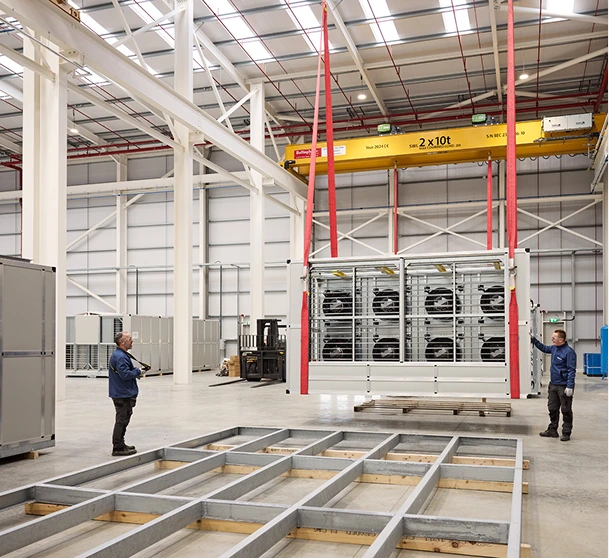
Rapid Results: Munters Delivers 10MW of Cooling Capacity in Record Time for a Leading Digital Infrastructure Provider in Sydney
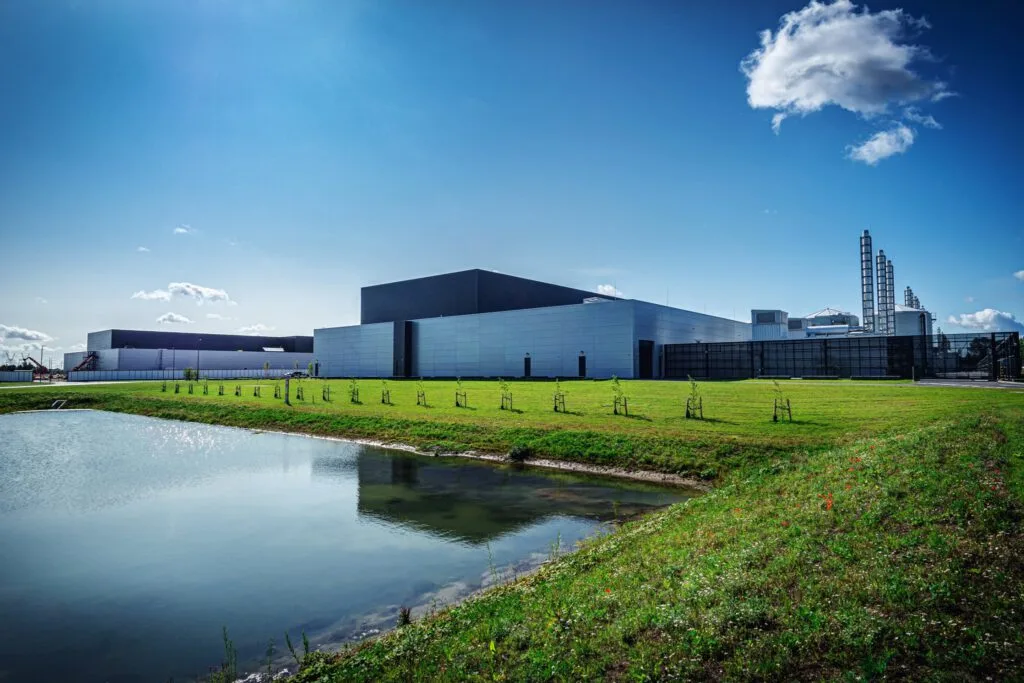
Harnessing heat from Odense data center for reuse in district heating
Oasis indirect evaporative cooling treats 10MW at DigiPlex

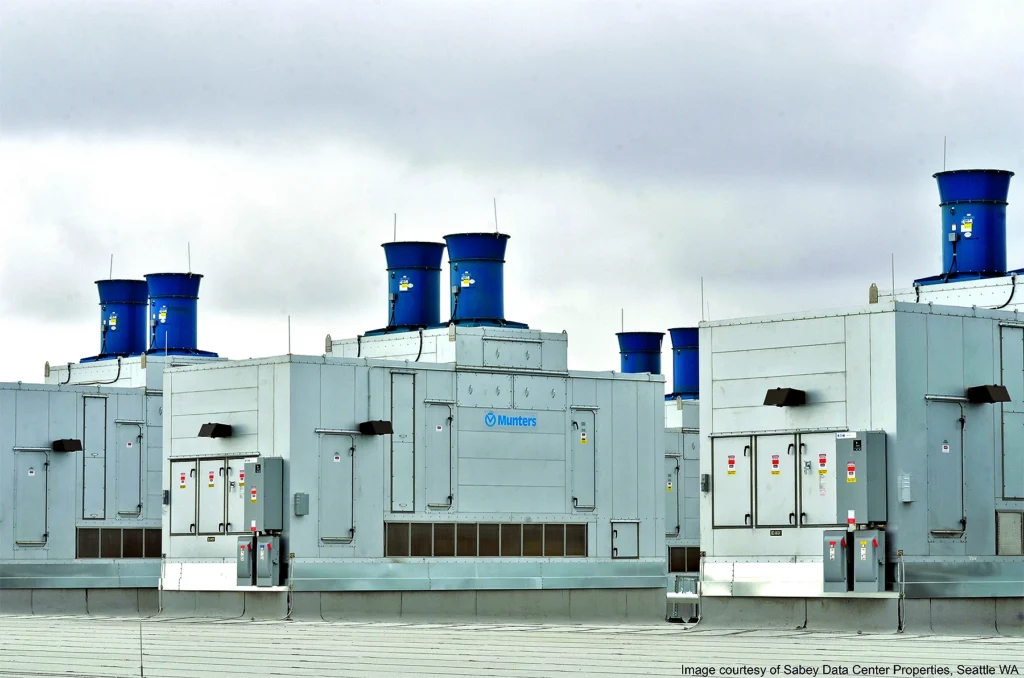
Sabey USA Data Center optimizes cooling with energy-efficient heat rejection
What liquid cooling is and how it works
Liquid cooling removes heat directly at the source inside the server or rack using chilled water or dielectric fluids. The process typically follows these steps:
- Cold liquid is delivered to cold plates or in server heat exchangers.
- Heat is absorbed from CPUs, GPUs and other accelerators.
- Warm liquid returns to a CDU for pressure, flow, temperature control and filtration.
- The CDU transfers this heat to the facility cooling loop for rejection through a chiller, dry cooler or into heat-reuse systems.
- Cooled liquid is circulated back to the rack to repeat the cycle.
FAQ – liquid cooling in data centers
A method of removing heat directly at the source, using water, water-glycol or refrigerant-based fluids instead of air.
Often yes, AI clusters generate heat densities far beyond the limits of air cooling.
Single phase remain liquid. Two-phase fluids evaporate at the cold plate for higher efficiency.
Most direct-to-chip systems use a CDU because it regulates temperature, flow and pressure, adds filtration and redundancy, and keeps the server-side cooling loop stable under varying workloads.
Yes. Hybrid and partial-liquid deployments allow step-by-step adoption.
Chillers cool the facility loop that CDUs use to remove heat from the server-side loop, ensuring a continuous supply of cold liquid for IT cooling.
Ready to explore liquid cooling? Let us demonstrate how Munters liquid cooling systems can support AI-ready performance, efficiency and scalability in your data center.