

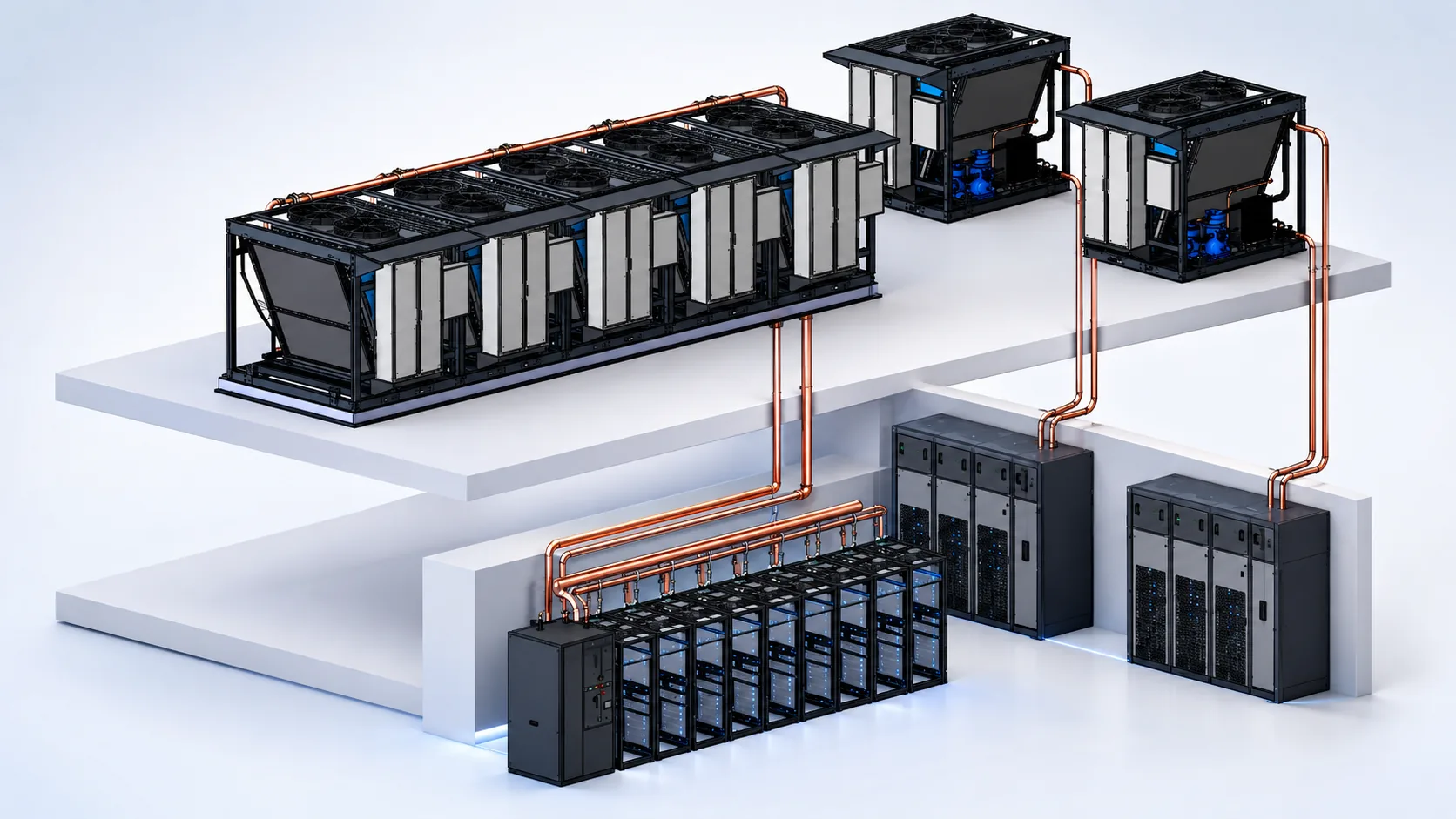
AI Data Center Cooling
AI and accelerated computing are reshaping how data centers must be cooled. As model sizes and compute intensity grow, thermal loads rise quickly, driving rack densities beyond traditional limits.
Munters helps validate the right cooling architecture for your AI workloads, site constraints and growth plans.

Complete Cooling Technologies for AI Data Centers
Why an Integrated System Matters
AI cooling succeeds only when the entire system is engineered as one. Munters provides a synchronized, end-to-end architecture designed to handle rapid GPU thermal spikes and ensure stable, high-density performance. For a broader view of how air, liquid and hybrid technologies work together in complete data center cooling systems, explore our data center cooling solutions.
- Stable performance during rapid AI thermal spikes
- Controlled delta-T and tightly regulated fluid temperatures
- Modular scaling from single GPU racks to multi-megawatt training clusters
- A smooth transition from air cooled to fully liquid cooled architectures
- Lower operational complexity and predictable performance

Why AI Changes How Data Centers Are Cooled
AI driven compute produces heat loads far beyond traditional servers, forcing a shift in how thermal systems are designed and operated:
- NVIDIA Blackwell-class systems reaching 120-160 kW, with next-generation platforms such as Rubin expected to push even higher densities
- AI workloads create rapid thermal spikes, demanding precise coolant temperature and flow control
- Energy use rises sharply if cooling loops are not optimized for high density loads
- Stable delta T, consistent flow and continuous uptime are critical for GPU performance and utilization
Cooling Technologies for AI Data Centers Explained
Data centers deploy several liquid-cooling technologies depending on density, architecture, and operational requirements. AI cooling requires architectural flexibility. Most deployments adopt hybrid liquid architectures to meet the densities and thermal transients of modern and upcoming AI platforms. The most common approches include:
-
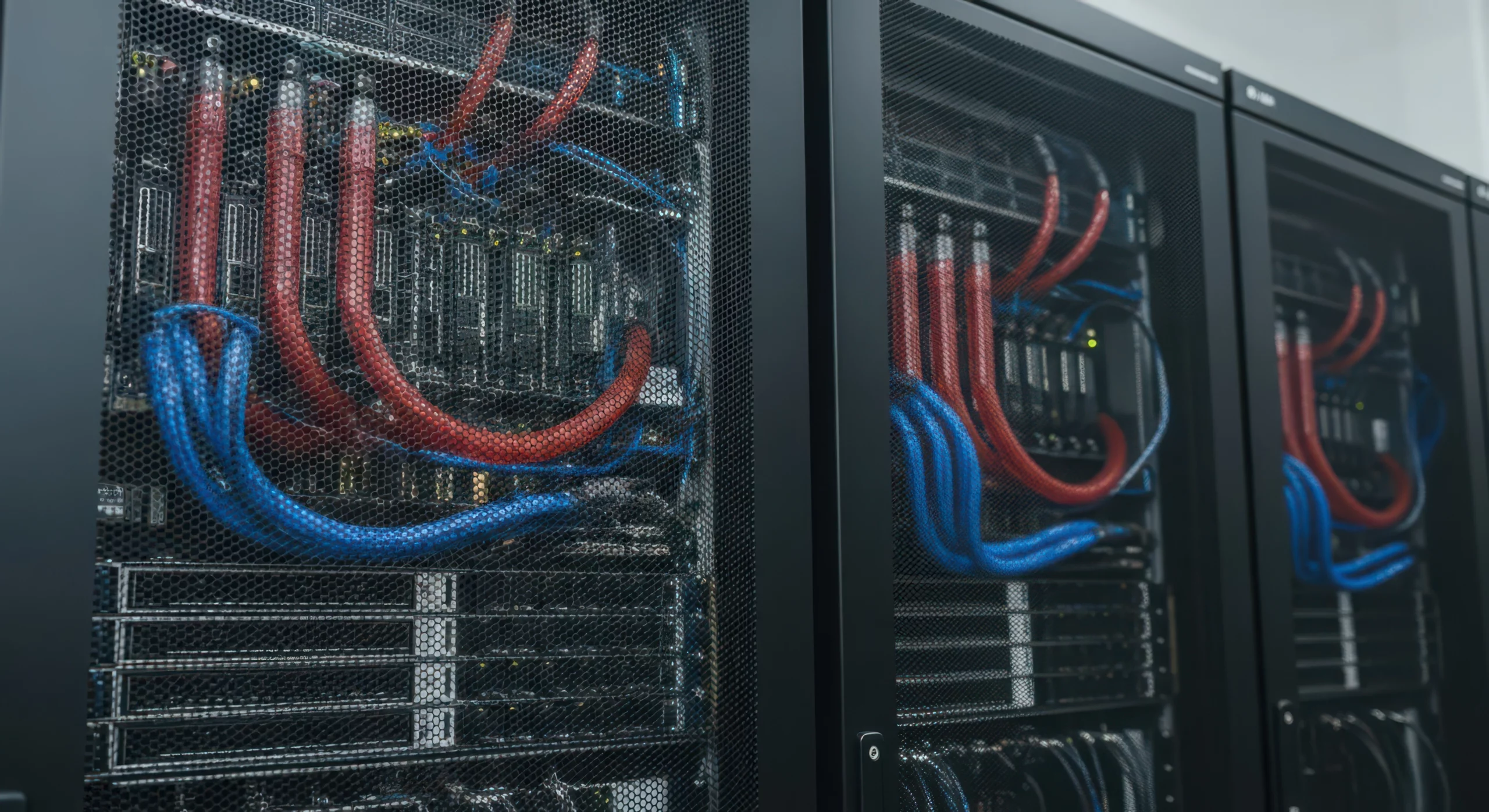
Direct-to-chip liquid cooling
Removes heat directly from CPUs, GPUs and other accelerators through cold plates and liquid loops. Supports chilled or elevated-temperature (warm-water) operation, enabling free cooling and higher system efficiency at scale.
Single phase cold-plate cooling
Water or water-glycol circulates through cold plates, providing predictable, stable thermal performance for GPU and CPU heavy workloads.
Two-phase
Refrigerant or dielectric fluid evaporates at the cold plate and condenses elsewhere in the loop. Delivers maximum efficiency for ultra high density compute. Explore how 2-phase direct-to-chip cooling works.
-
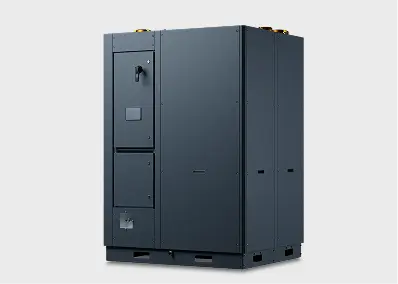
Liquid-to-liquid CDUs
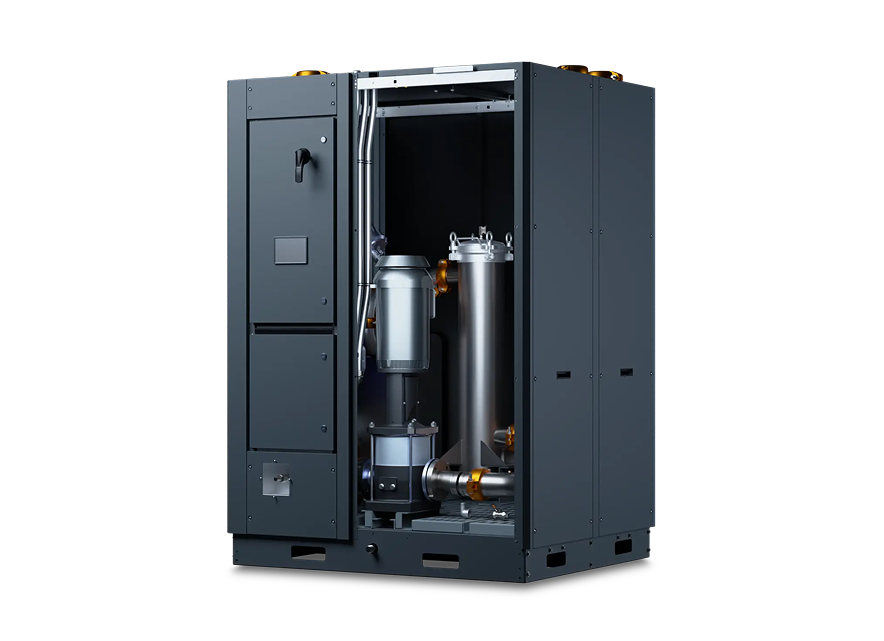
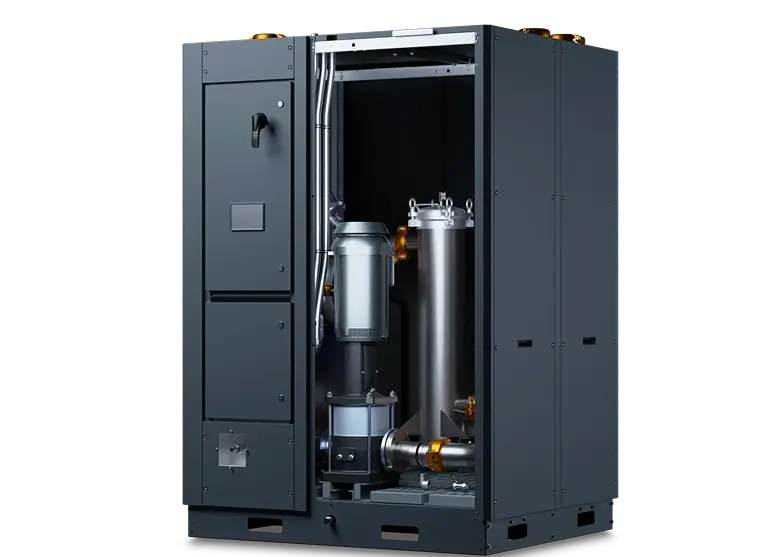
Munters LCX CDUs transfer heat from server-side liquid loops to facility water loops, including chilled or elevated-temperature (warm-water) systems. Scalable from rack level to multi-megawatt AI deployments, providing pumping, control and precise thermal stability.
-
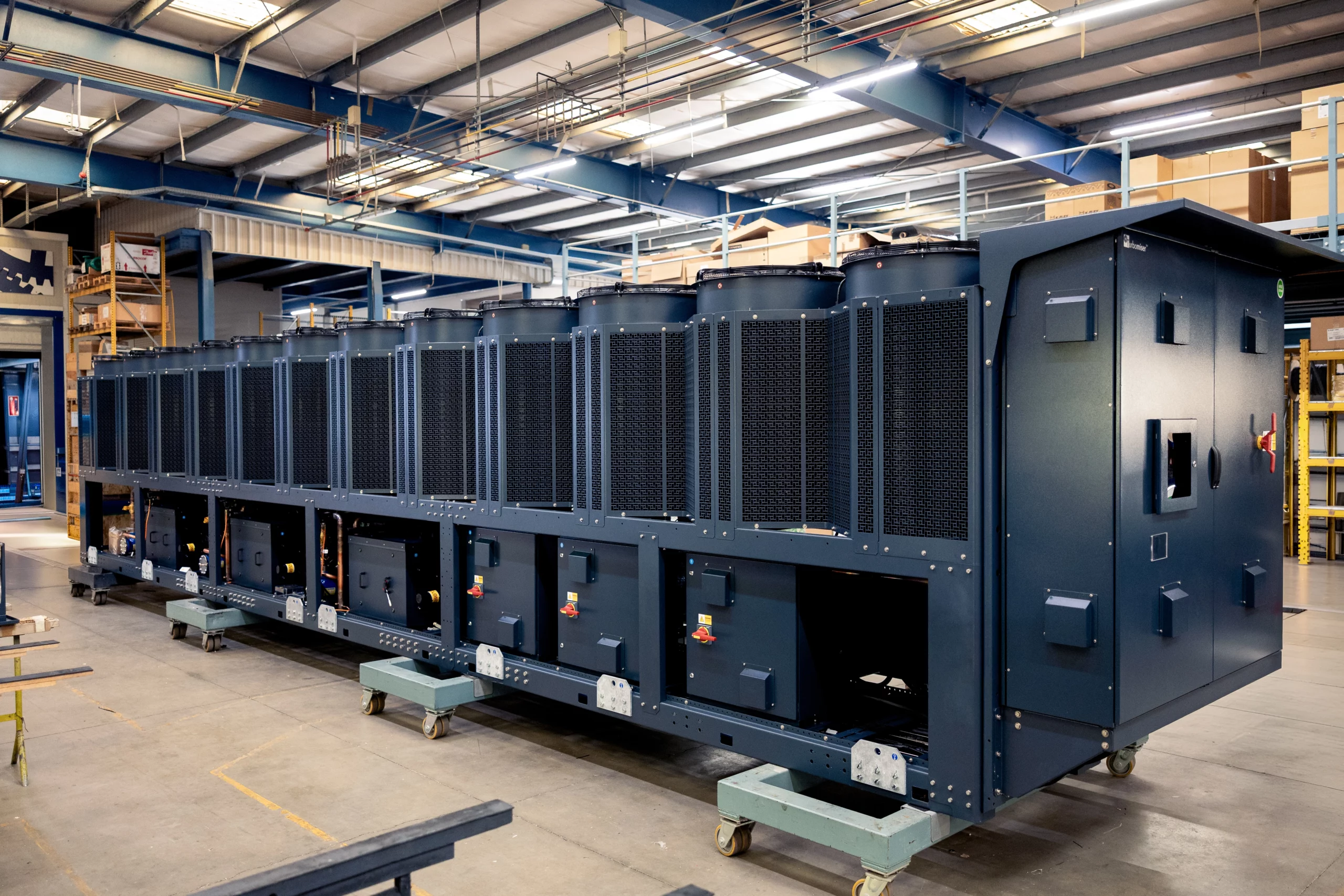
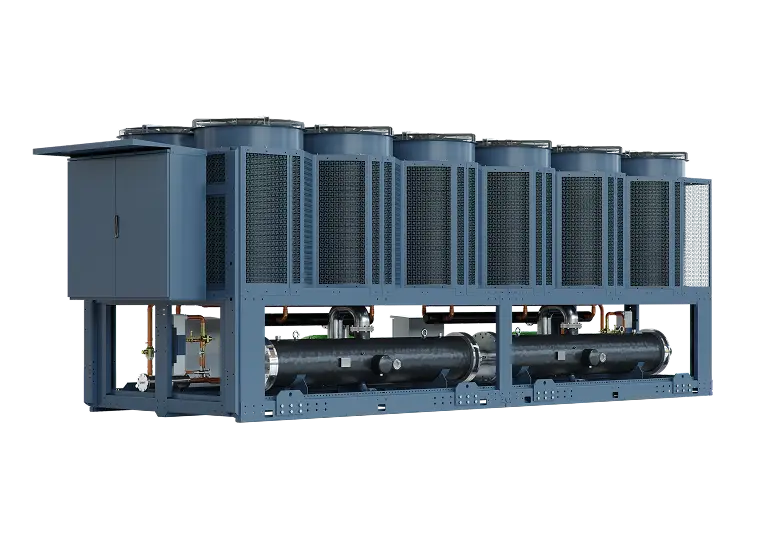
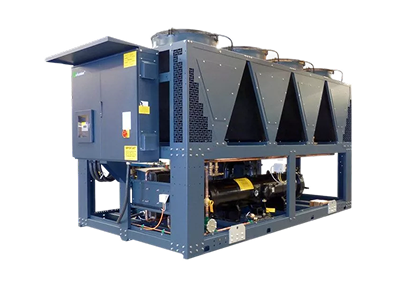
High efficiency chillers
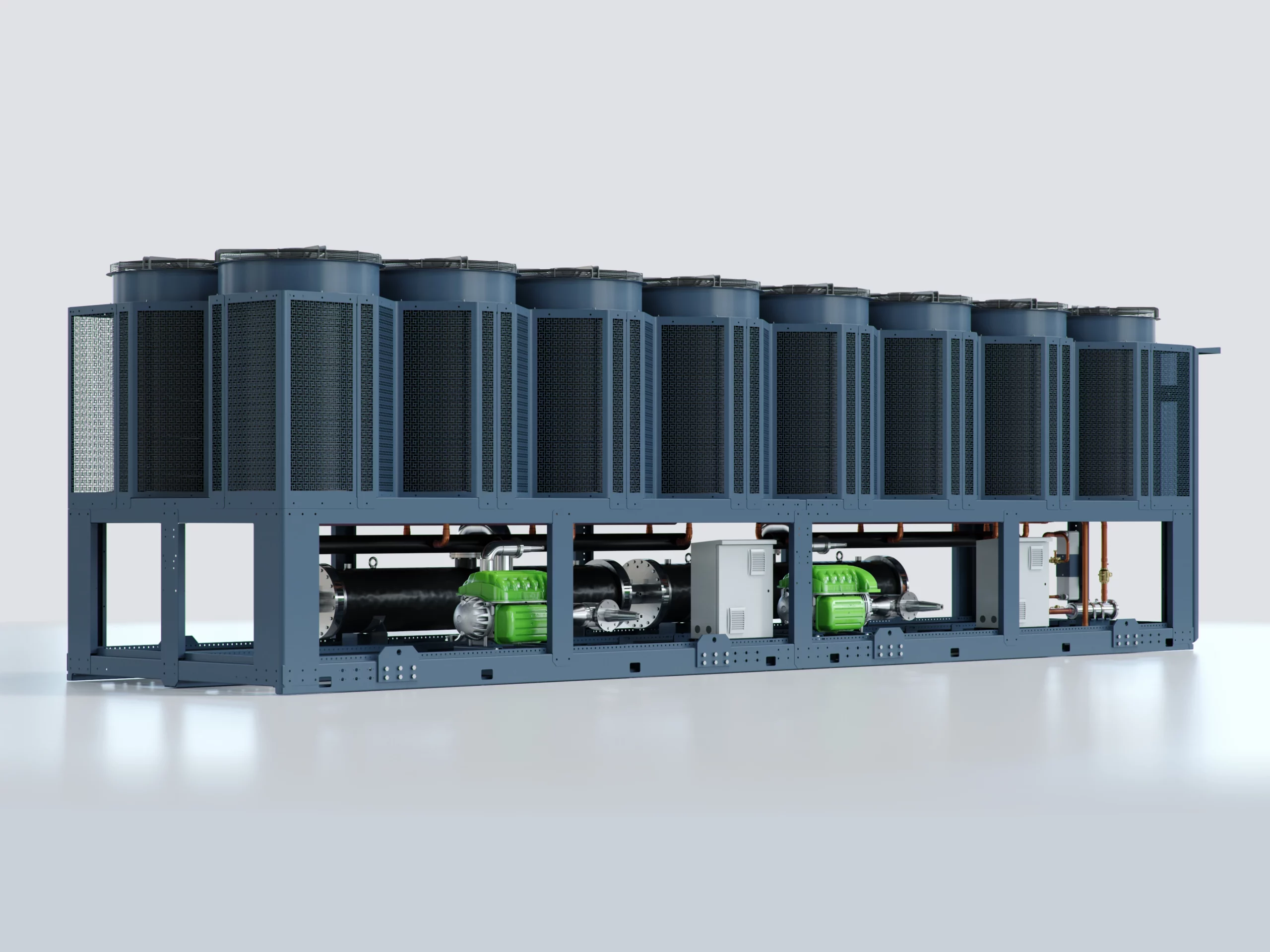
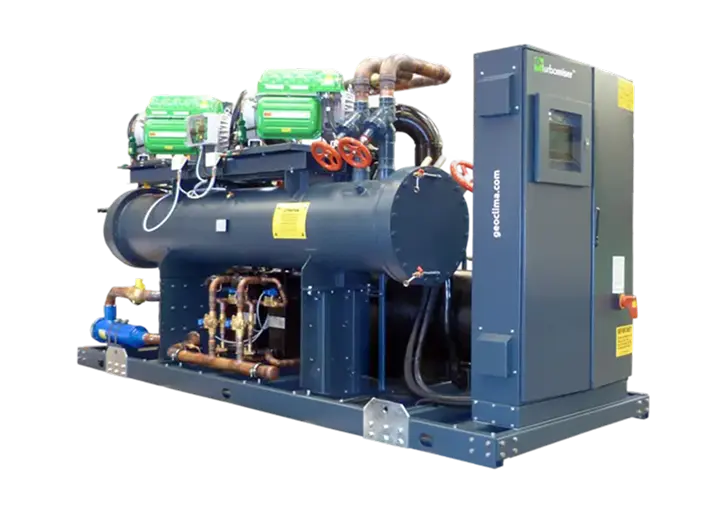
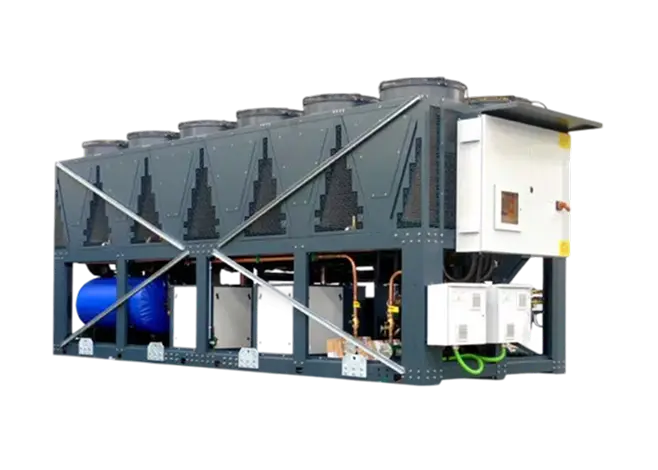
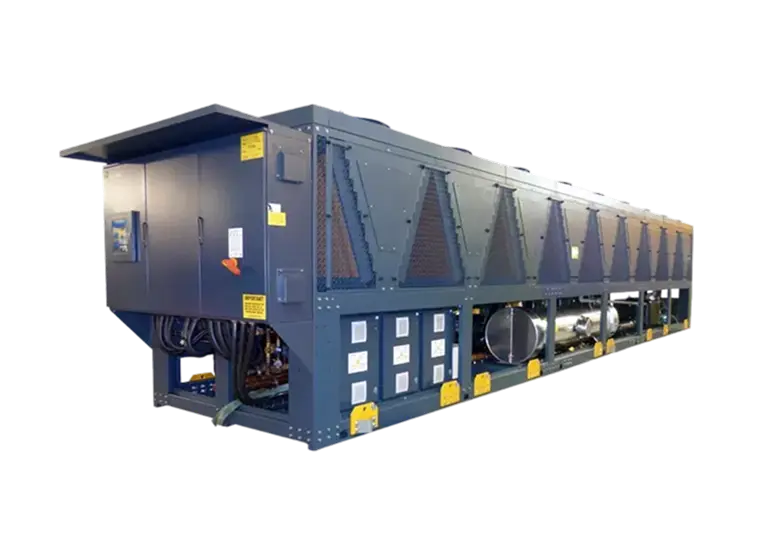
Munters air- and water-cooled chillers supply chilled water for liquid loops or hybrid environments supporting high density AI racks.
-
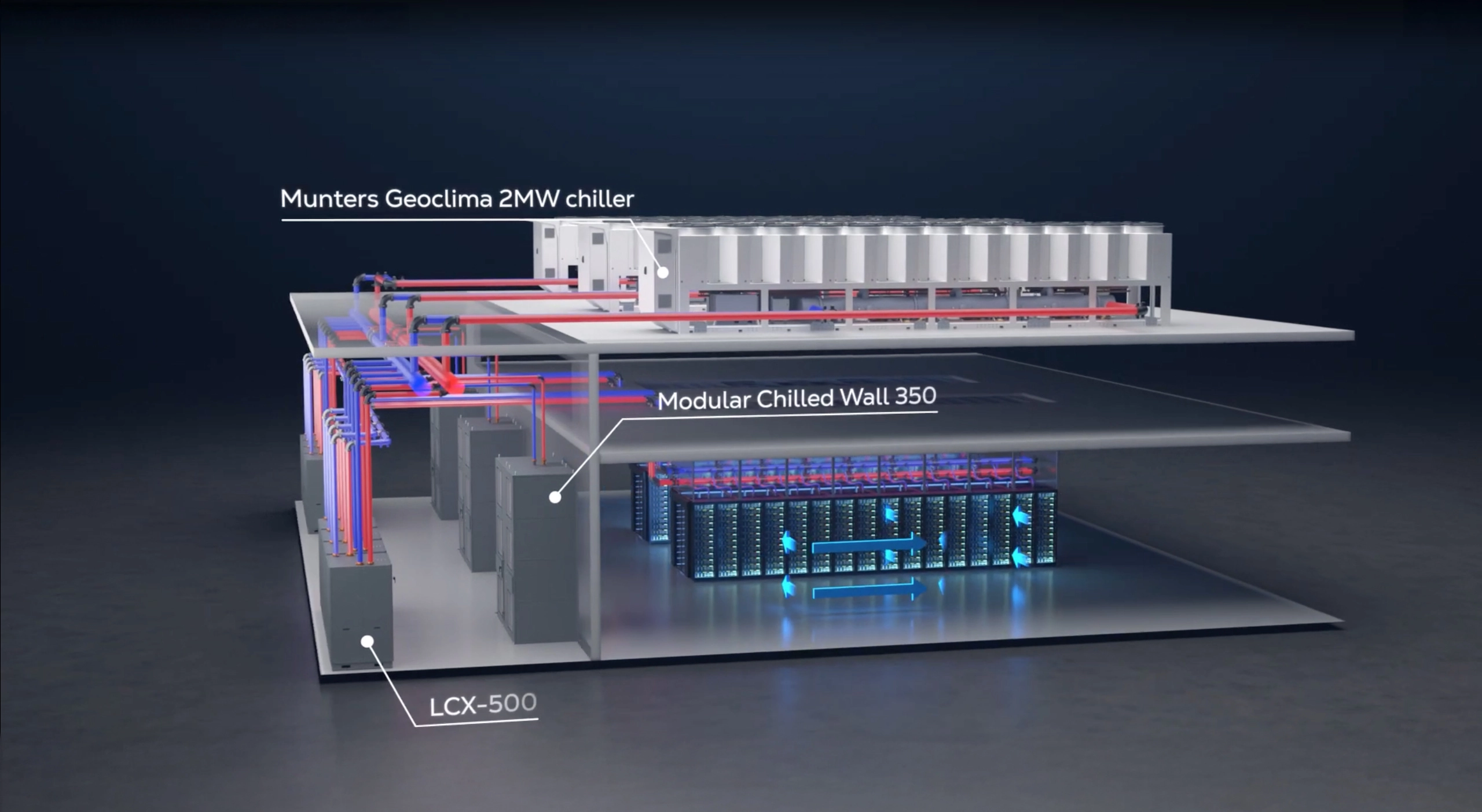
Hybrid air + liquid cooling
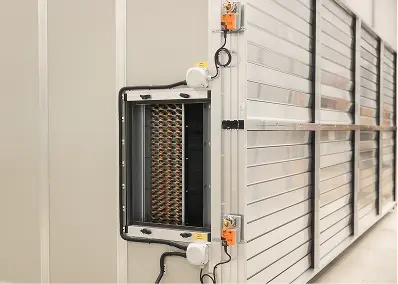
Combines direct to chip liquid cooling for GPU and accelerator racks with CRAH or Fan Wall based air cooling for supporting IT, storage and network gear.
-
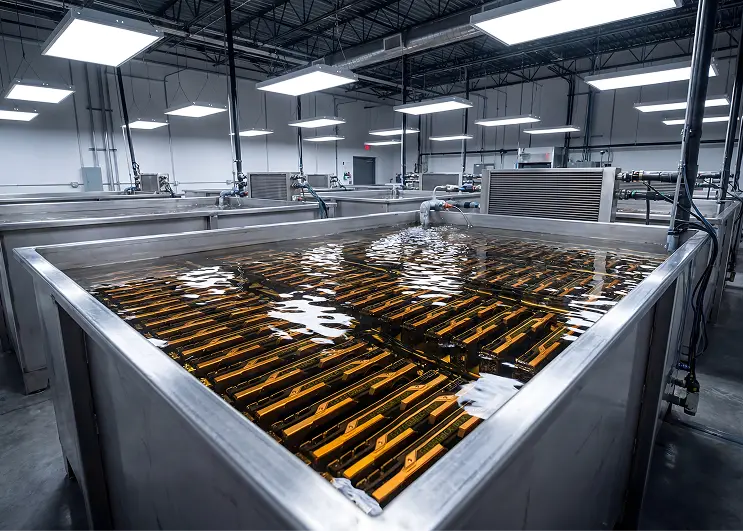
Immersion cooling
Munters enables heat-rejection and facility level integration for immersion based deployments.
Integrated Cooling Solutions for High-Density Environments
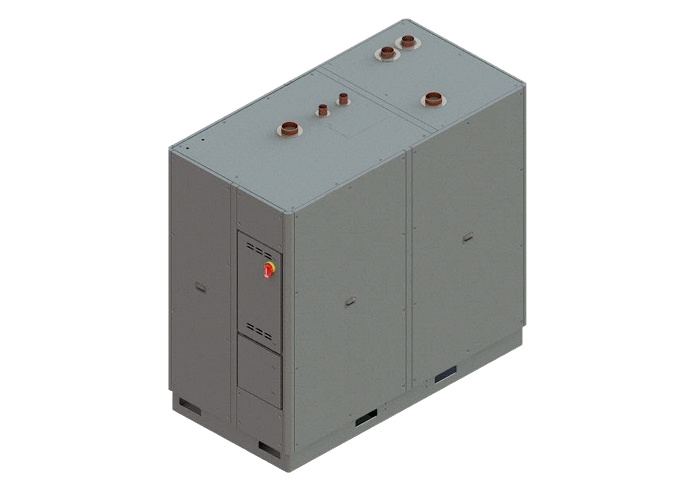
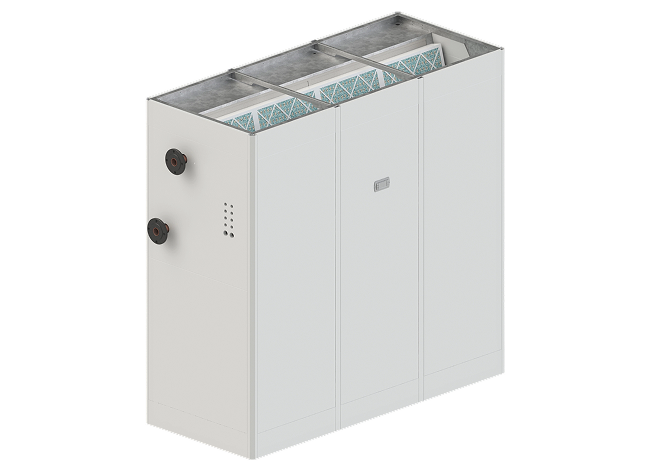
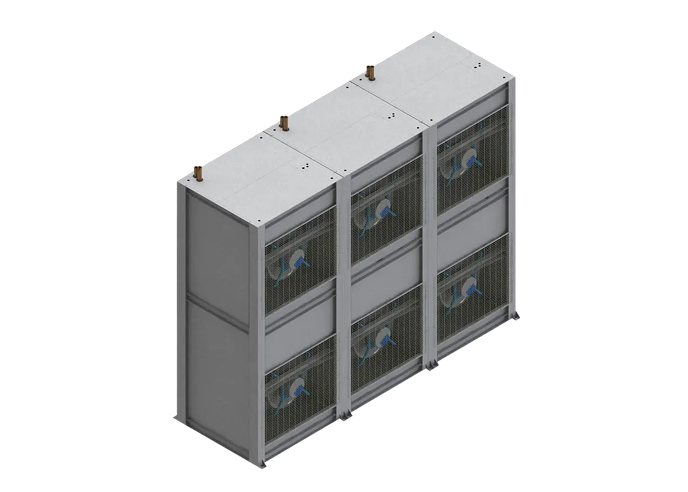
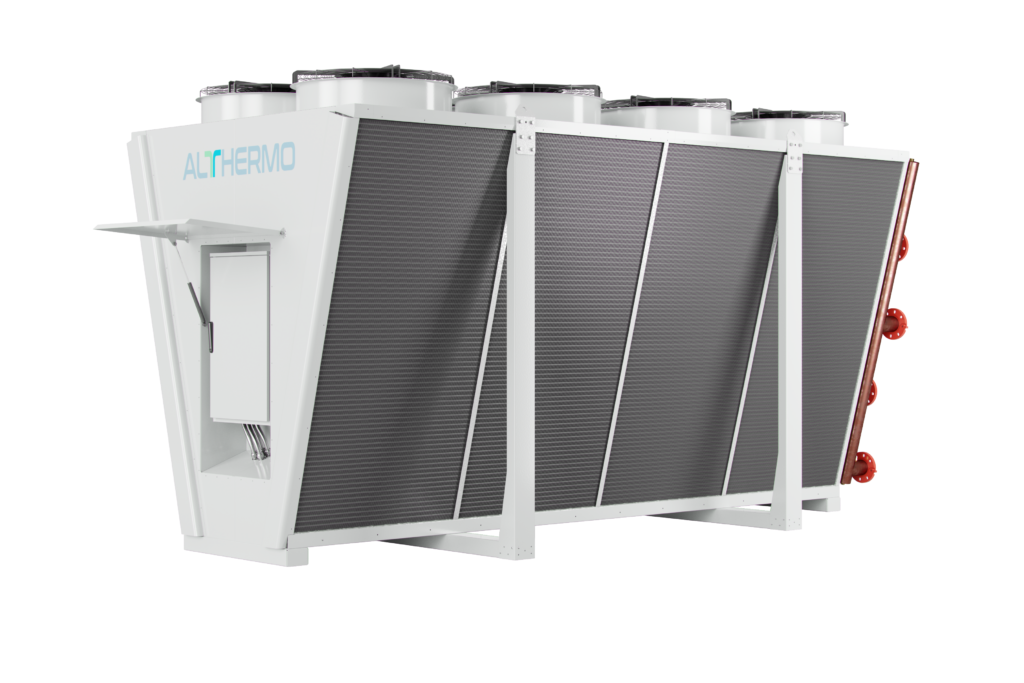
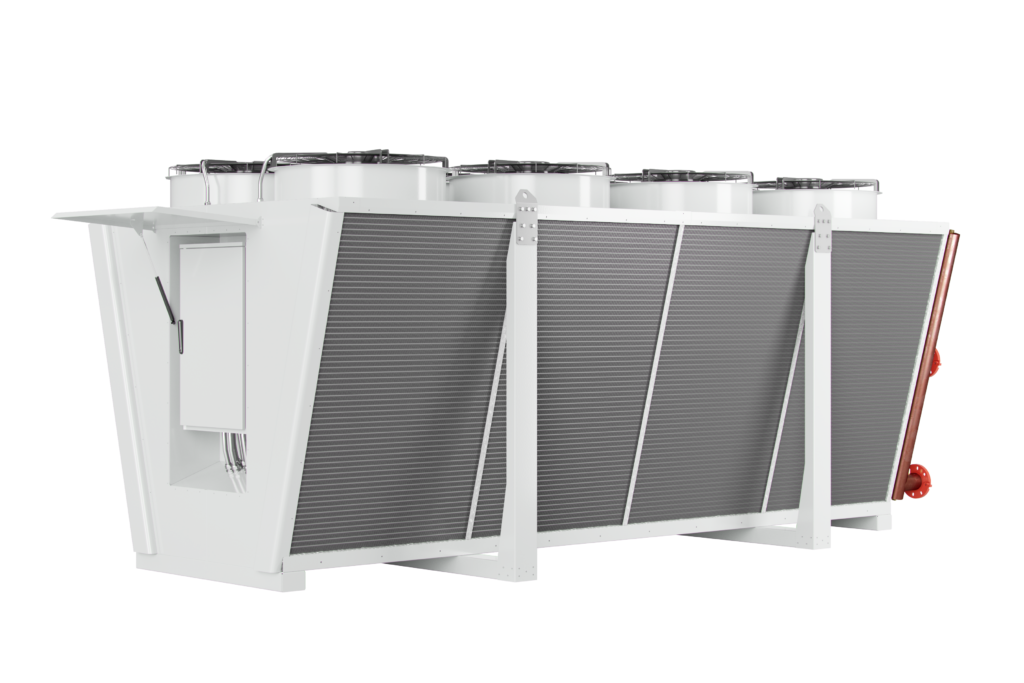
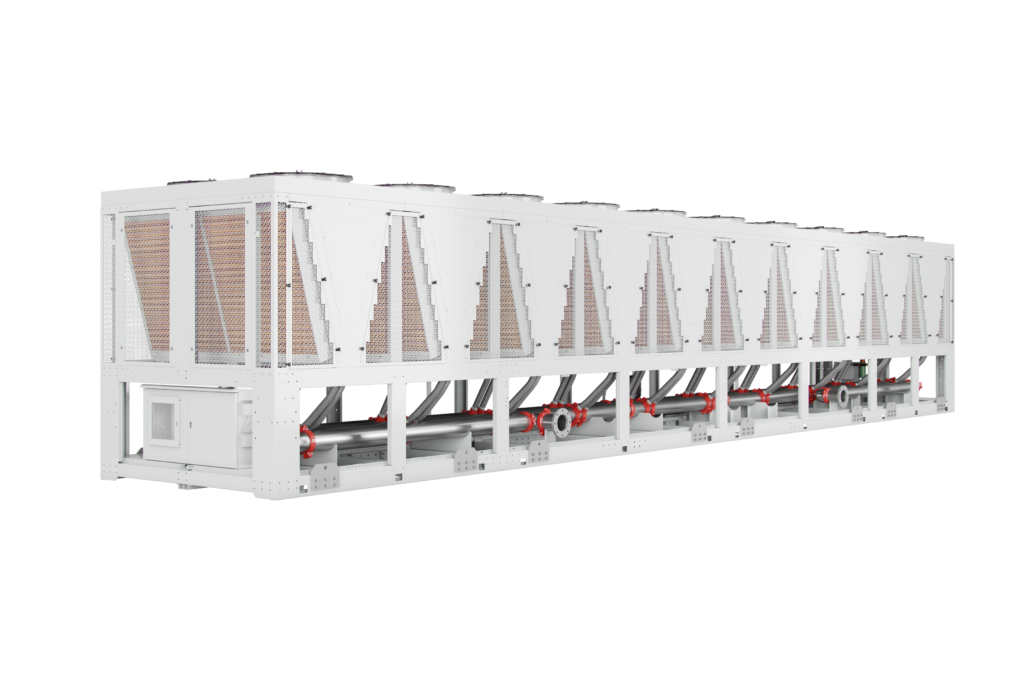
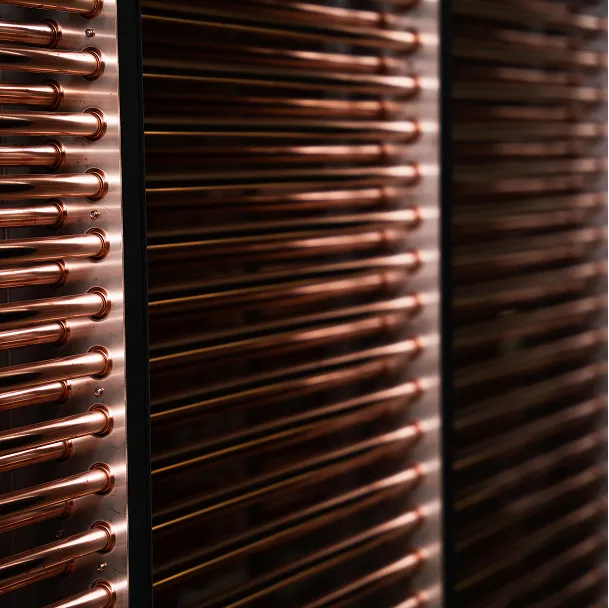
Liquid Cooling Solutions
Precise Thermal Regulation
Prevents hotspots, thermal runaway and cross-rack thermal coupling in dense GPU environments. Munters engineering provides the stability AI clusters need to avoid derating, throttling and performance loss – even at next generation accelerator power levels.
High-Density Cooling for AI Workloads
GPU and AI compute racks operate at power densitites that demand liquid cooling systems engineered for:
- Tight supply temperature control to keep GPUs at peak clocks
- Fast response to load transients during training, fine tuning and inference
- High, stable flow rates to manage extreme heat flux at the cold plate
- Redundant pumps and failover paths to maintain continuous uptime
- Low environmental impact through efficient heat rejection and reduced or water-free options
- Stable inlet conditions to prevent thermal spikes across large GPU arrays
AI Cooling at the Edge
Munters supports edge AI data center cooling solutions with modular, serviceable and high-ambient-rated architectures designed for compact and distributed AI deployments. Edge AI deployments increasingly use compact liquid cooling or liquid-ready architectures to handle higher power densities within limited footprints. Edge environments introduce unique challenges:
- Minimal physical footprint
- Harsh ambient conditions
- Limited or unstable power availability
- Rapid deployment and serviceability requirements
- Distributed, latency sensitive inference workloads.
AI Cooling Challenges Today
AI cooling introduces engineering and operational challenges that did not exist at traditional data center densities:
- Leak management and coolant safety, especially with higher fluid volumes and rack density
- Integration of liquid and air loops in mixed deployments
- Staff training and operational readiness for liquid-cooled environments
- Retrofits in live facilities with limited space, power and water
- Advanced controls to manage fast thermal transients and multi-loop coordination
- Rapidly rising TDP for next generation GPUs and accelerators
- Grid constraints and limited power availability at scale
Where AI Cooling is Heading
As AI infrastructure grows and densifies, the next decade will see broader adoption of:
- Elevated-temperature (warm-water) liquid loops to maximize free cooling and reduce compressor energu
- Hybrid liquid cooling across training, fine tuning and inference workloads
- Multi loop architectures separating facility, rack and component cooling paths
- Waterless thermosyphon systems for high ambient and water constrained regions
- Heat reuse integration to recover waste heat for district heating or industrial processes
AI Cooling in Practice – Case References
Explore how global data centers leverage Munters integrated cooling architectures to solve the thermal challenges of high-density AI workloads.
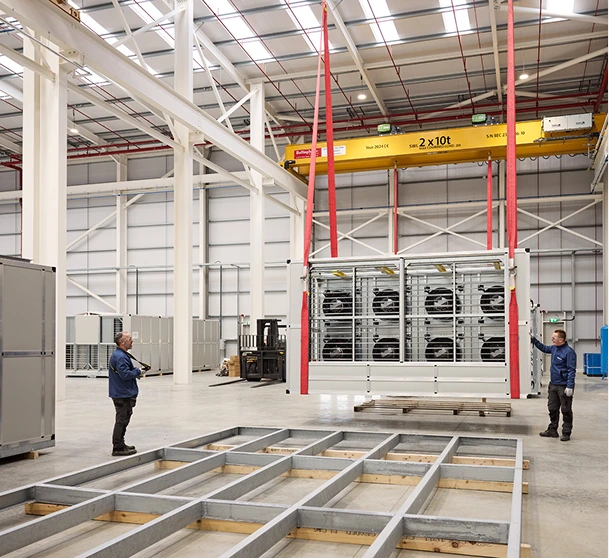
Rapid Results: Munters Delivers 10MW of Cooling Capacity in Record Time for a Leading Digital Infrastructure Provider in Sydney
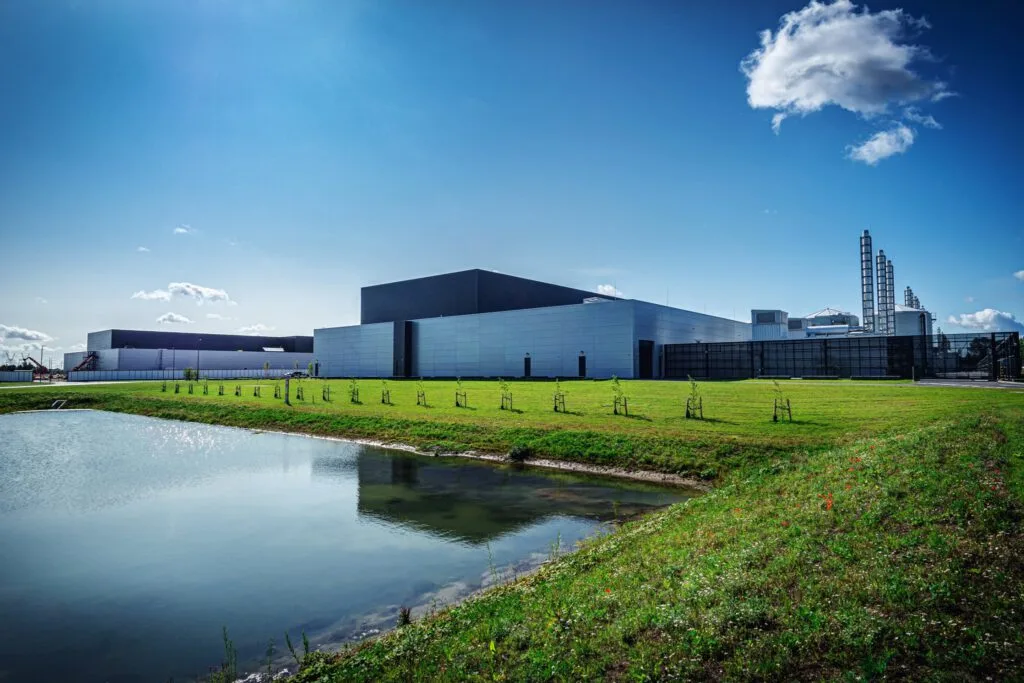
Harnessing heat from Odense data center for reuse in district heating
Oasis indirect evaporative cooling treats 10MW at DigiPlex

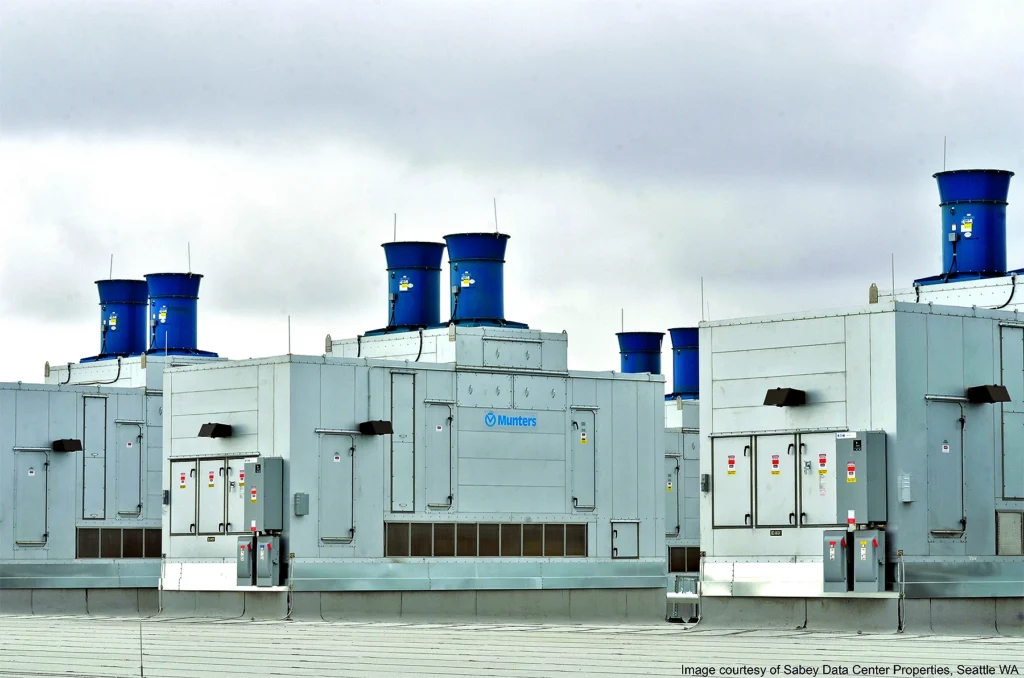
Sabey USA Data Center optimizes cooling with energy-efficient heat rejection
FAQ – AI Cooling
Cooling systems designed to support high-density AI workloads such as GPU clusters, accelerator pods and HPC environments.
AI workloads generate heat densities far beyond traditional compute, making liquid cooling essential for stable performance and full GPU utilization.
Direct-to-chip liquid cooling (single- and two-phase cold plates), liquid-to-liquid and liquid-to-refrigerant CDUs, and high-efficiency air-cooled chillers.
Modern AI racks typically operate at 40–120 kW, with Nvidia Blackwell class systems reaching 120–160 kW and future designs planning for 150–200 kW.
Yes. Hybrid air plus liquid cooling allows phased adoption without full facility rebuilds.
No. Immersion cooling is used in specialized or niche deployments, but most AI workloads – including Nvidia Blackwell-class systems – use direct-to-chip liquid cooling or hybrid approaches.
Chillers cool the facility loop feeding the CDUs, enabling efficient heat rejection and supporting free cooling and heat reuse.
High efficiency air cooled chillers, Dry Coolers, LCX liquid to liquid CDUs, LCE SyCool refrigerant based systems, hybrid cooling and complete liquid loop integration.

Ready to design your AI cooling system? Let us demonstrate how Munters can support reliable, scalable and efficient cooling for high-density AI workloads.