

Dry Coolers for Data Centers
Efficient heat rejection and free-cooling support for modern data center environments.
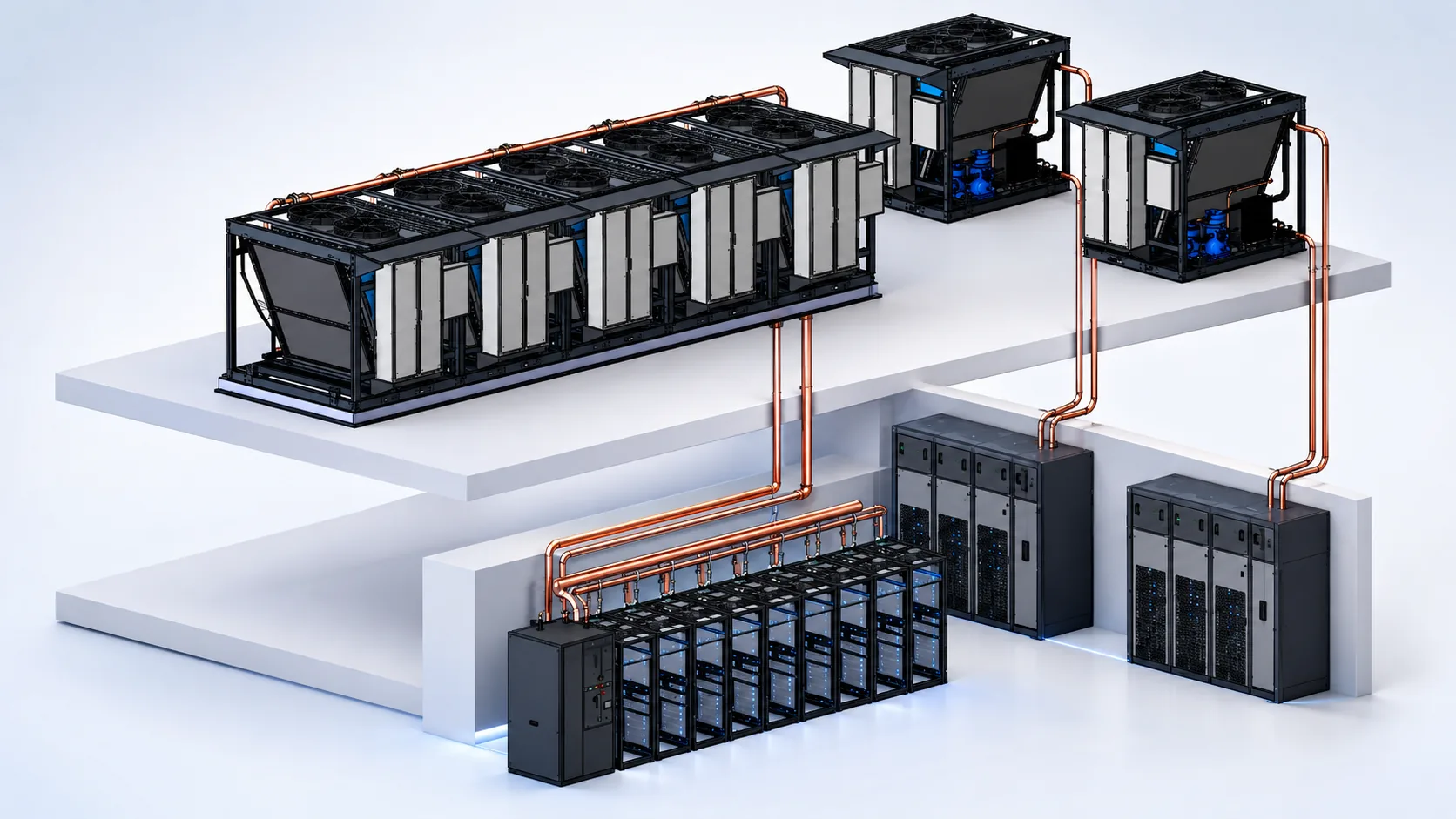
Munters integrates dry coolers into complete, engineered cooling systems aligned with chillers, CDUs and liquid cooling deployments.
Munters Dry Coolers – Part of our Comprehensive Cooling Portfolio
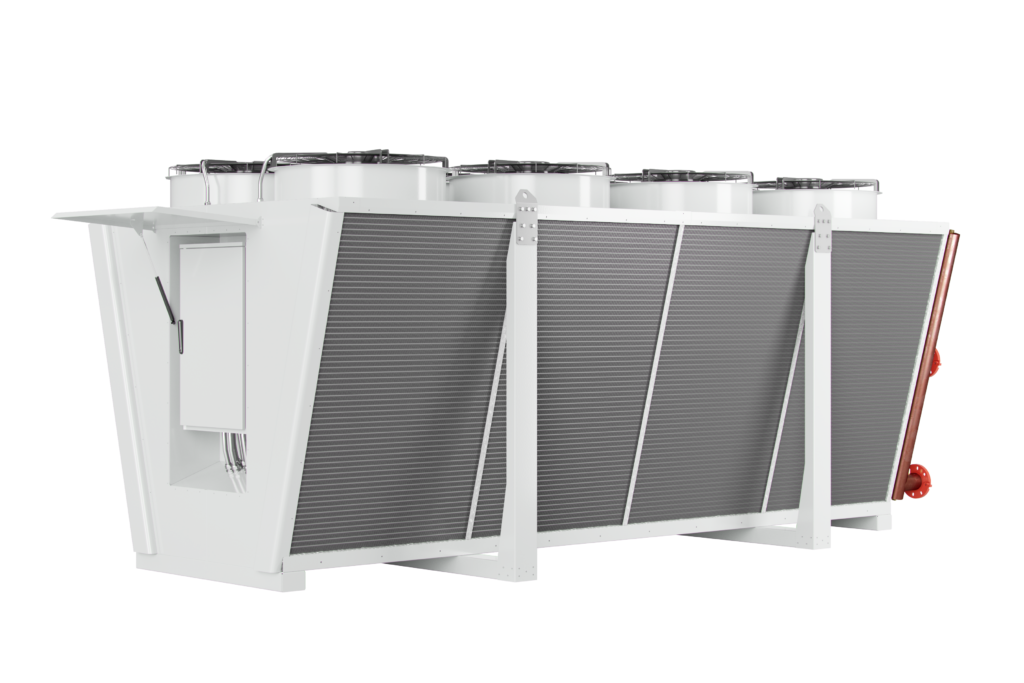
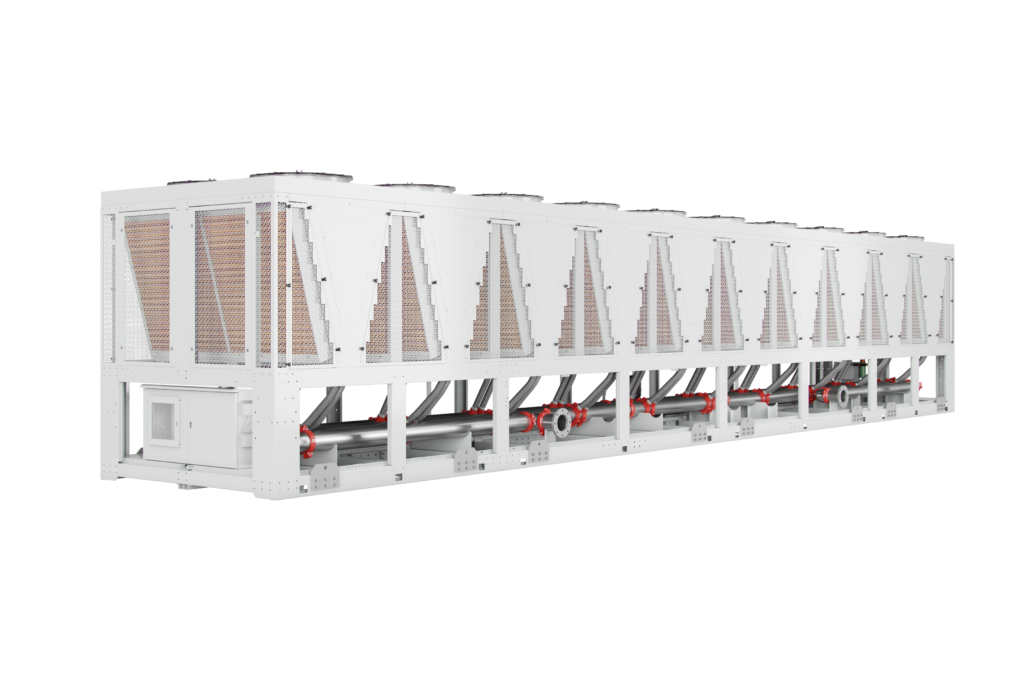
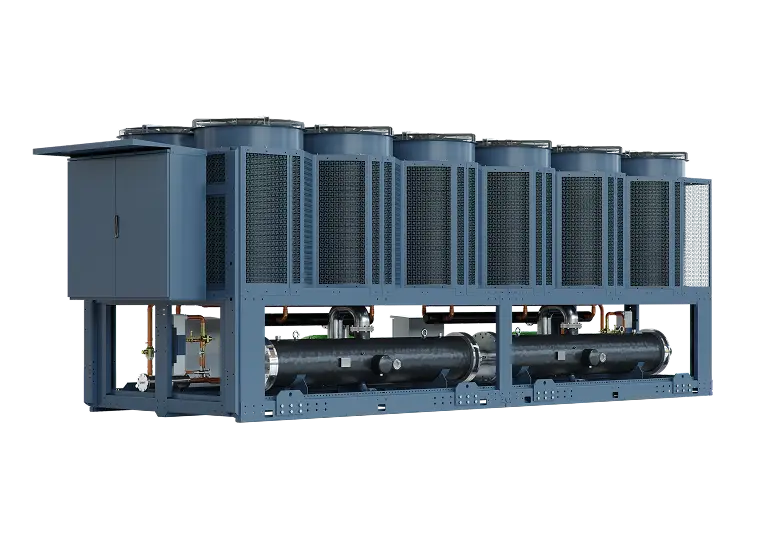
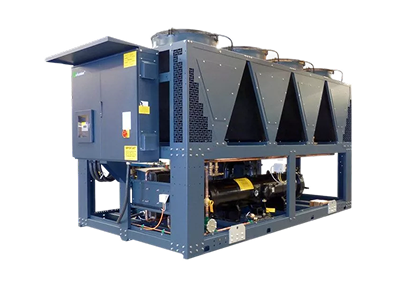
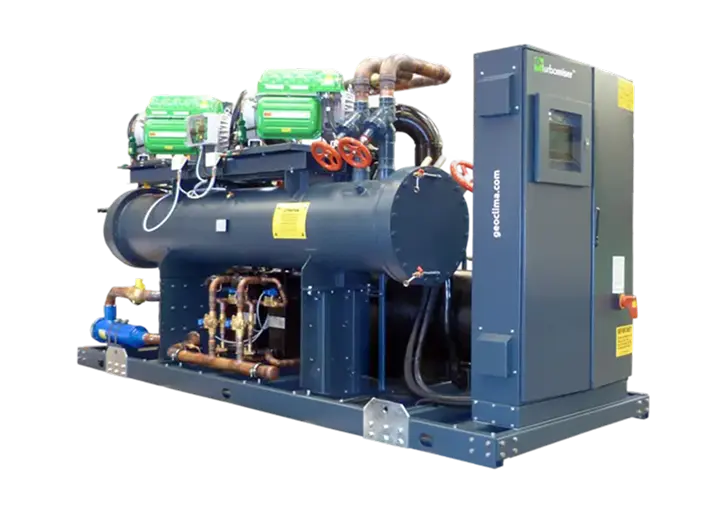
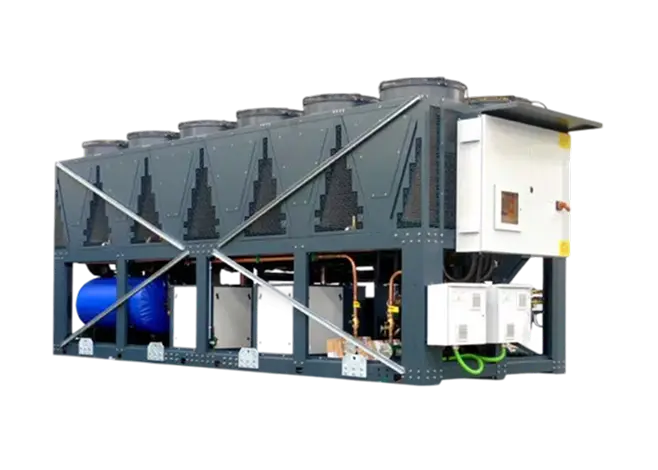
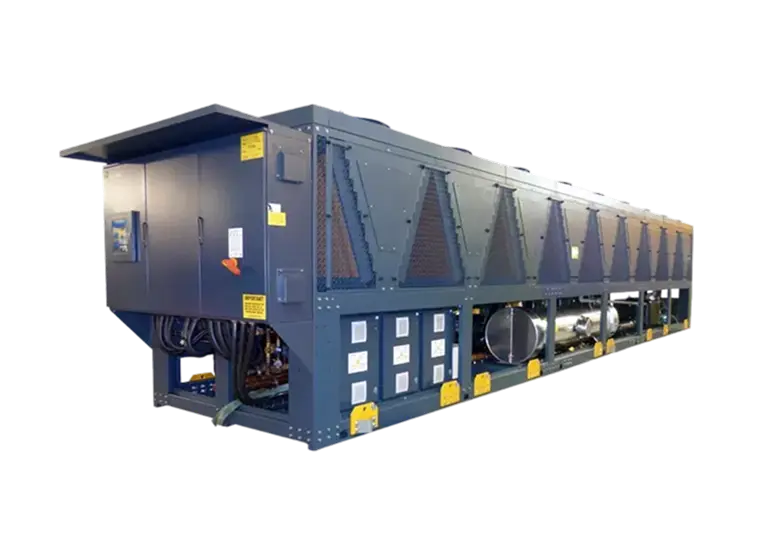
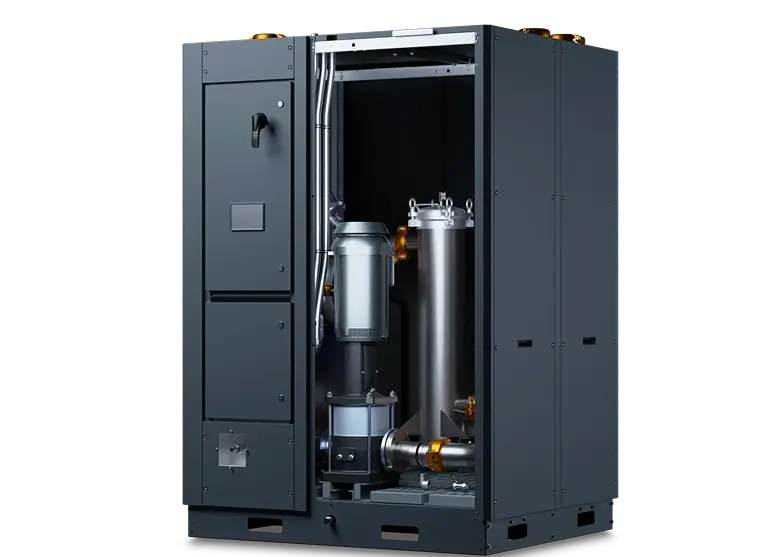
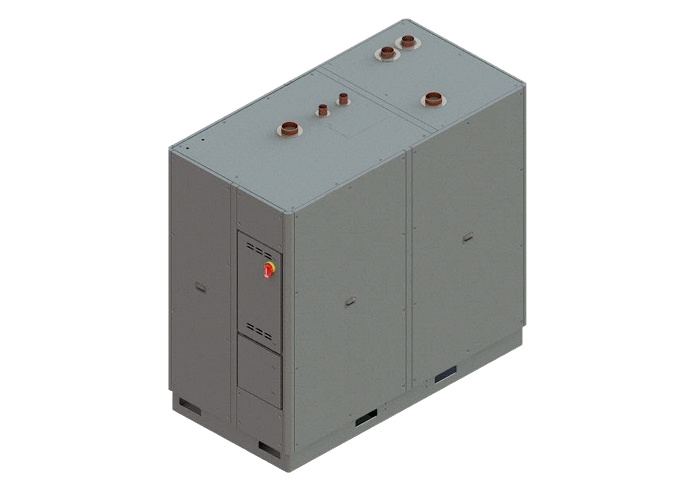
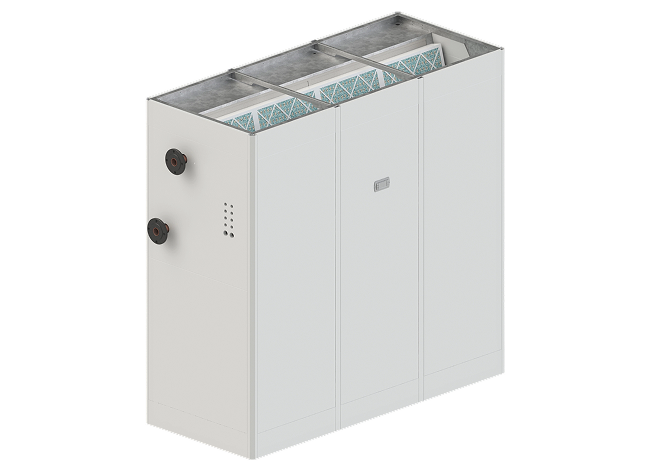
A Complete Cooling Ecosystem
Dry coolers represent one element of Munters broader data center cooling portfolio. By engineering the full cooling chain, Munters ensures that heat rejection strategy aligns with density targets, sustainability objectives and future capacity growth.
Dry coolers as part of a complete cooling ecosystem:
- Air- and water-cooled chillers
- Liquid-to-liquid CDUs
- Direct-to-chip cooling architectures
- Hybrid air and liquid heat rejection
- CRAH units and fan wall-based air systems
- Controls, monitoring and lifecycle support
Munters-Engineered Dry Coolers for Data Centers
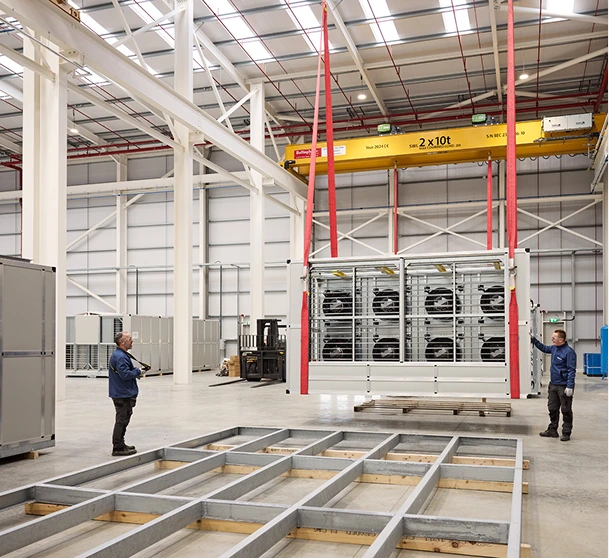
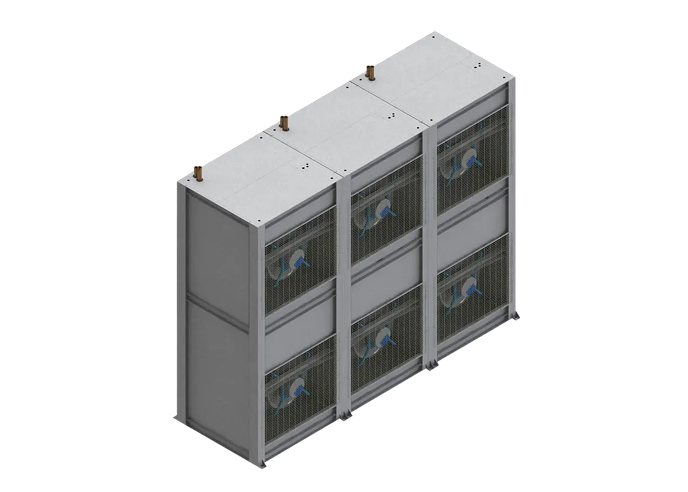
Munters-engineered dry coolers are configured specifically for data center heat rejection applications and integrated into complete cooling systems.
This ensures consistent heat rejection performance across both new-build and retrofit data center environments.
Key characteristics include:
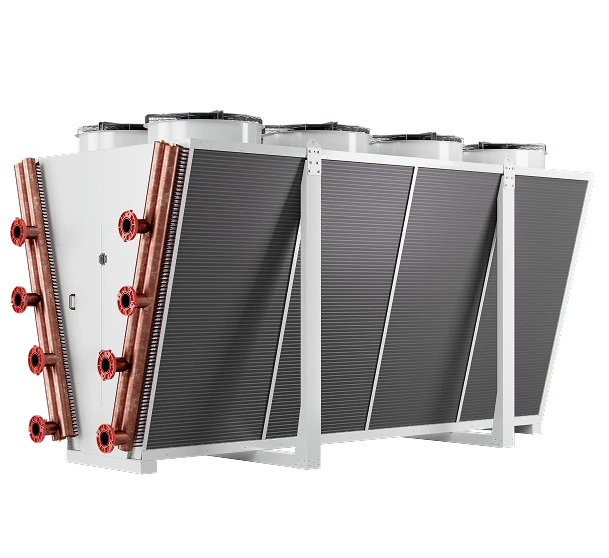
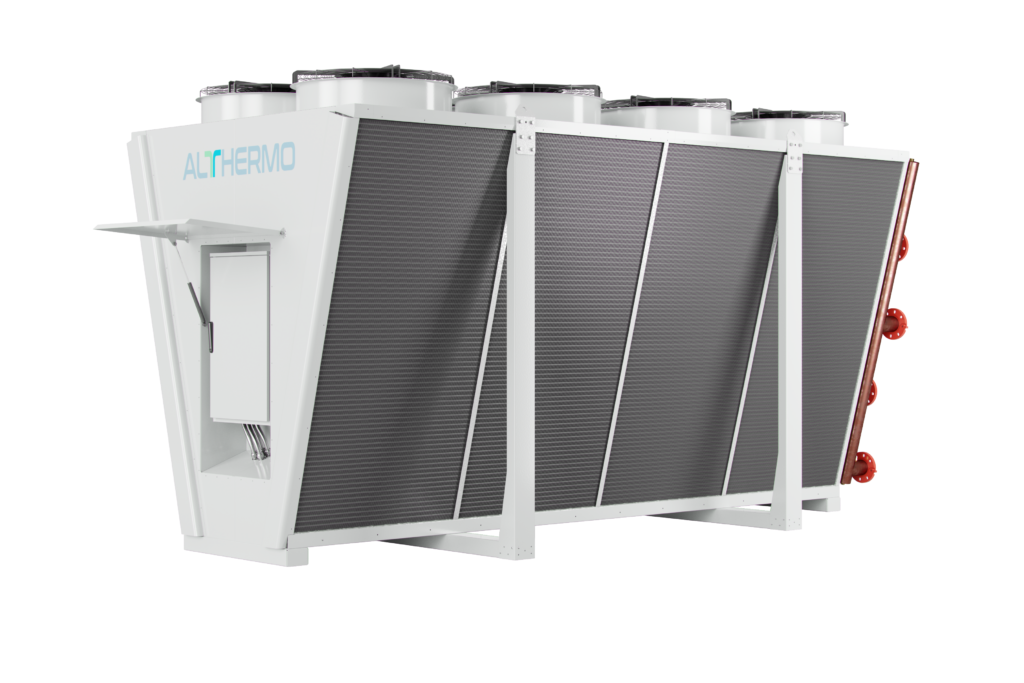
- EC fan arrays for efficient airflow and low noise
- Modular chassis for scalable capacity
- Robust finned coil construction
- Corrosion-resistant materials and coatings
- Compatibility with water and glycol loops
- Flexible installation configurations for space-constrained sites
Munters dry coolers can be deployed:
- As standalone heat rejection for closed liquid loops
- In retrofit or brownfield data center environments
- In hybrid systems combining dry cooling and mechanical refrigeration
- As part of complete Munters-designed cooling architectures
Dry Coolers in Warm-Water and AI-Ready Architectures
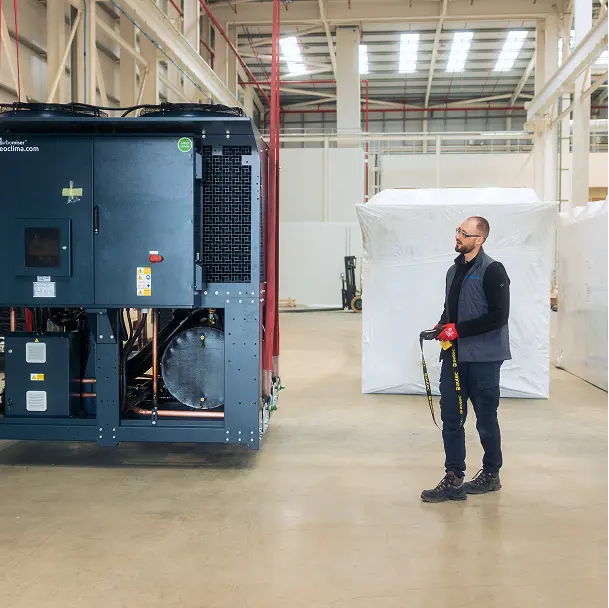
As rack densities and GPU TDP increase, particularly in AI training and inference environments, liquid cooling loops are trending toward higher supply temperatures.
Modern direct-to-chip systems may operate with supply temperatures in the range of 35–45°C. At these higher temperatures, more hours allow direct heat rejection to ambient air, provided ambient temperatures remain sufficiently below the loop supply temperature.
In high-density AI environments, dry coolers typically complement rather than replace chillers. Munters designs these architectures to balance density growth, energy performance and resilience.
Elevated-temperatures systems enable:
- Increased free cooling hours
- Reduced mechanical cooling dependency
- Lower annual energy consumption
- Improved heat reuse potential
Design Considerations for Dry Coolers in Data Centers
Dry coolers must be sized for peak ambient conditions rather than annual averages. Loop temperature strategy and required approach directly determine capacity and redundancy requirements.
Proper deployment requires evaluation of:
- Local temperature profile
- Required approach temperature
- Loop supply temperature
- Redundancy configuration (N+1, N+N)
- Pumping and pressure characteristics
- Structural and acoustic constraints
Incorrect sizing reduces effective heat rejection capacity and increases reliance on mechanical cooling during peak conditions. Munters supports system-level engineering to ensure heat rejection capacity aligns with density growth, resilience targets and long-term operational performance.
Dry Coolers vs Cooling Towers in Data Centers
Dry coolers and cooling towers both provide facility-side heat rejection but differ in operating principle and infrastructure requirements.
Dry coolers are often preferred where water availability, operational simplicity or regulatory constraints limit evaporative systems. Cooling towers may offer higher efficiency in very hot climates where lower approach temperatures are required.
Munters evaluates climate conditions, density targets and water strategy before defining the optimal heat rejection method.
Dry Coolers
- Air-based heat rejection
- No evaporative water consumption
- No water treatment requirement
- Lower maintenance complexity
- Higher approach temperatures compared to evaporative systems
Cooling towers / adiabatic systems
- Use evaporative cooling to improve heat transfer
- Achieve lower approach temperatures in hot climates
- Require water treatment and additional maintenance
What is a Dry Cooler in a Data Center?
A dry cooler is an air-cooled heat rejection unit that removes heat from a closed water or glycol loop and transfers it to ambient air.
Unlike cooling towers, dry coolers do not rely on evaporative cooling and do not consume process water.
In data centers, dry coolers are typically used to:
- Enable water-side free cooling
- Support elevated-temperature liquid cooling
- Complement chiller systems
- Reduce water dependency
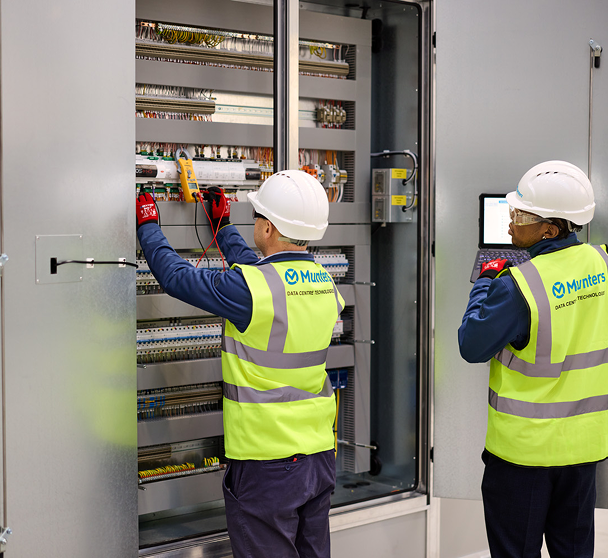
Service and Support for Mission-Critical Uptime
As the original equipment manufacturer, Munters designs, builds, and services data center cooling systems – ensuring uptime, performance, and long-term reliability.
Our engineering-led service approach supports system performance and reliability across the full lifecycle, from commissioning to optimization and upgrades.
- Commissioning and validation
- Preventive and predictive maintenance
- Access to genuine OEM spare parts
- System upgrades and retrofit solutions
FAQ – Dry Coolers for Data Centers
In most high-density environments, no. Dry coolers complement chillers by enabling ambient heat rejection during favorable conditions.
Yes. Elevated-temperature liquid cooling in AI environments can increase the number of hours where ambient heat rejection is possible.
No. Dry coolers are air-based and do not rely on evaporative water consumption.
Higher loop temperatures increase the number of hours where heat can be rejected directly to ambient air.
It depends on climate, water strategy and efficiency targets. Dry coolers reduce water use and operational complexity, while cooling towers may achieve lower approach temperatures in hot climates.cc
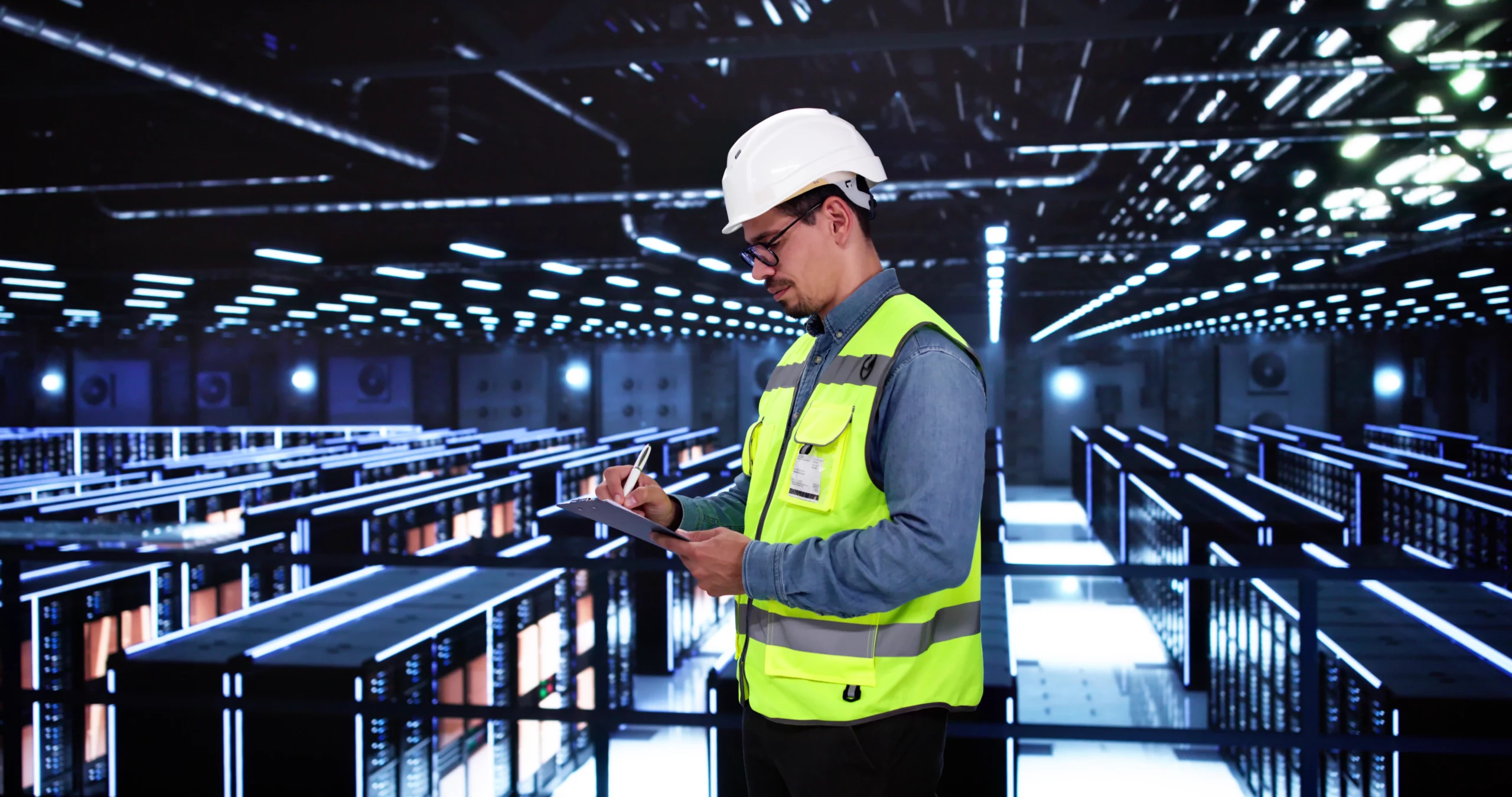
Ready to design your heat rejection strategy? Munters can evaluate your climate conditions, density roadmap and sustainability targets to determine whether dry coolers, chillers or a hybrid configuration best supports your data center.