
Data Center Cooling Solutions
Munters delivers data center cooling solutions for high-density, AI-driven, and mission-critical facilities.
Validate the right architecture for your site, workload and growth plans with Munters experts.
Complete Data Center Cooling Systems
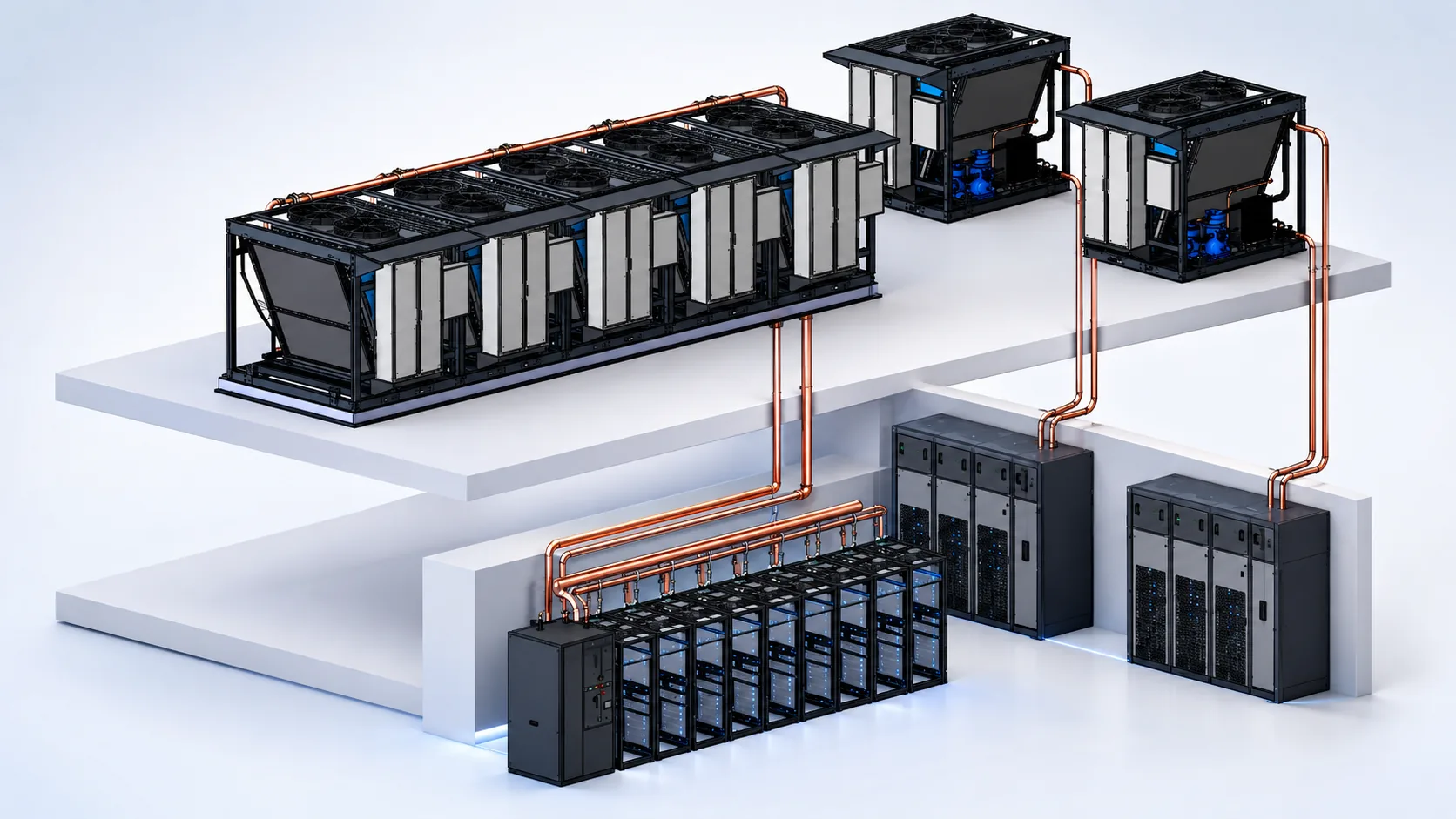
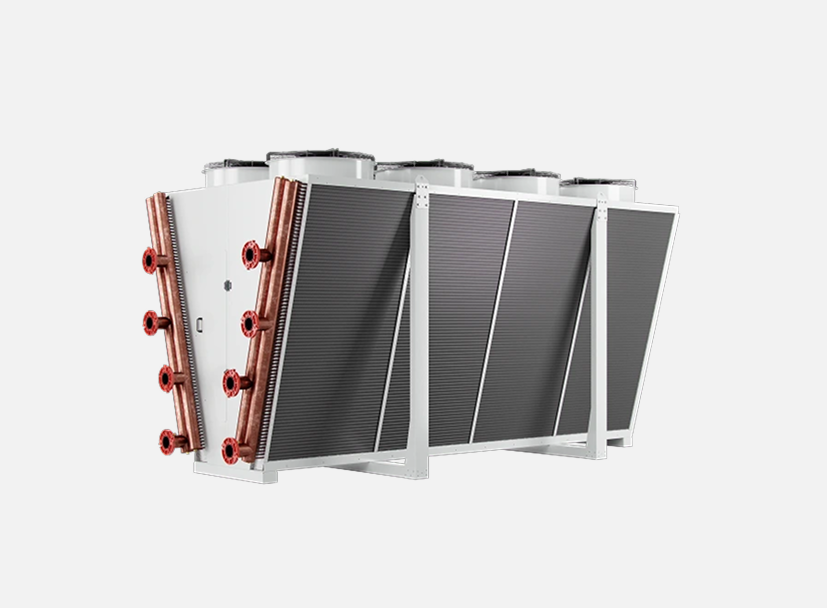
Munters offers a wide portfolio of data center cooling technologies – enabling us to recommend the most suitable system for your specific data center project.
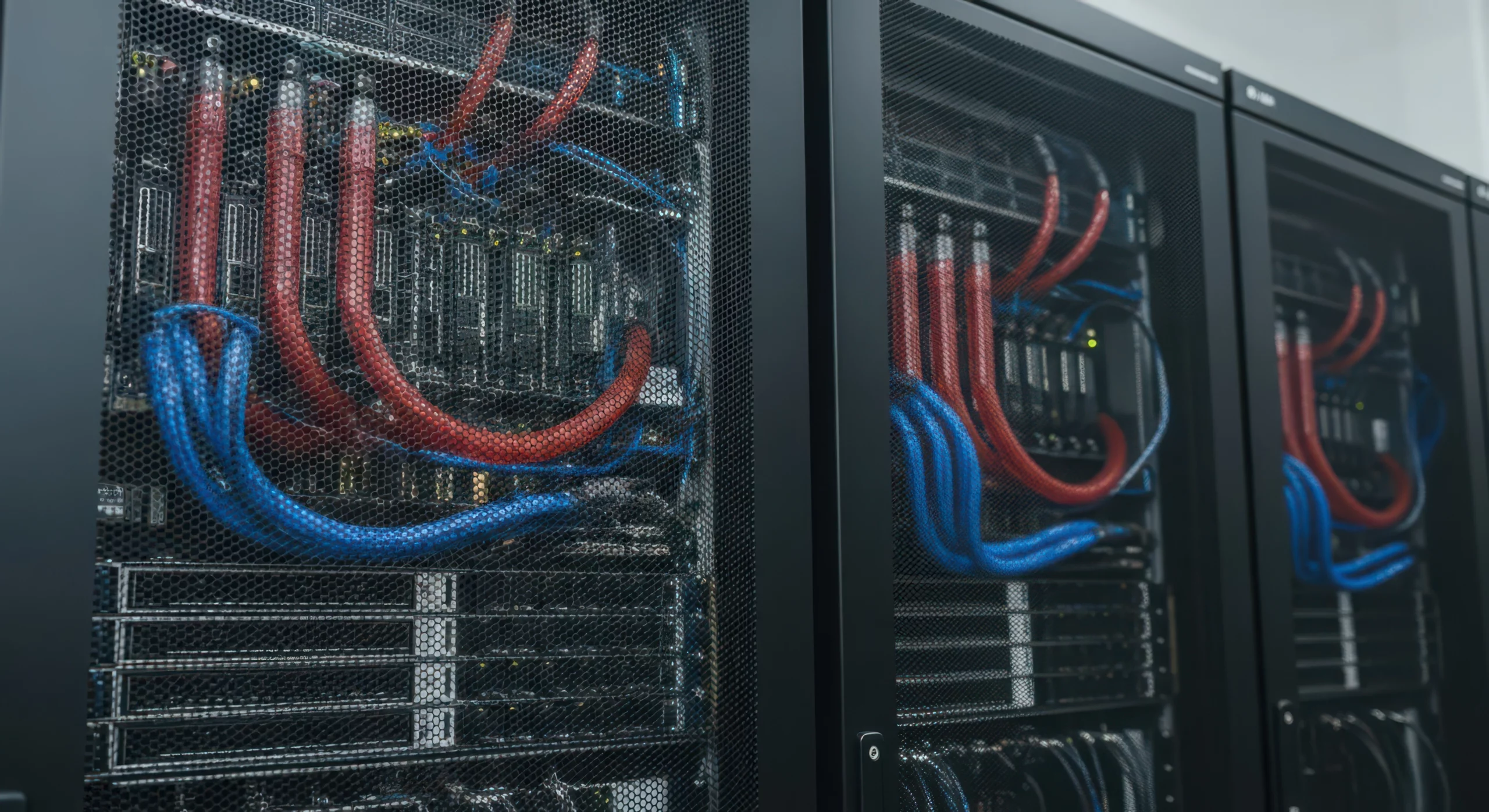
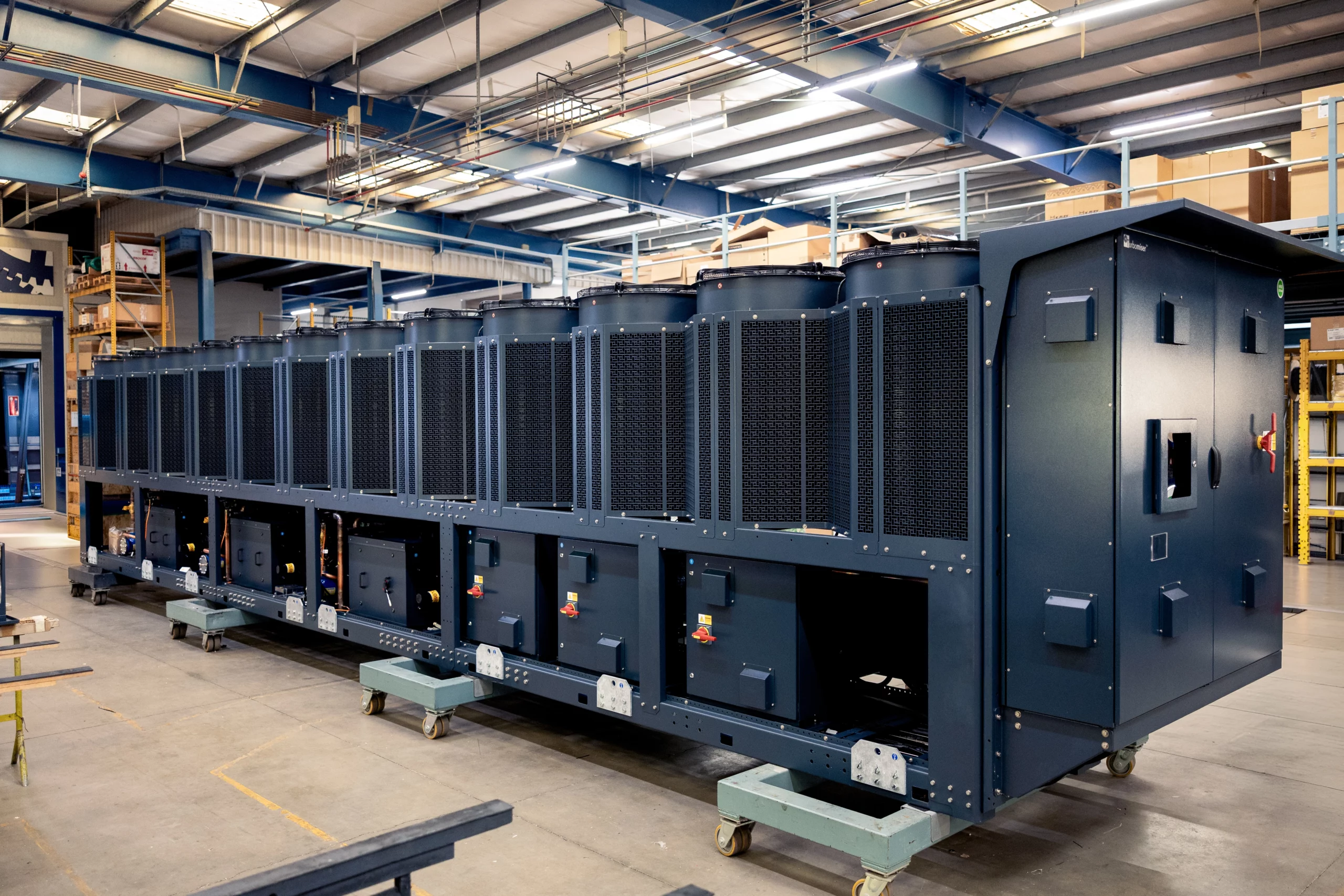
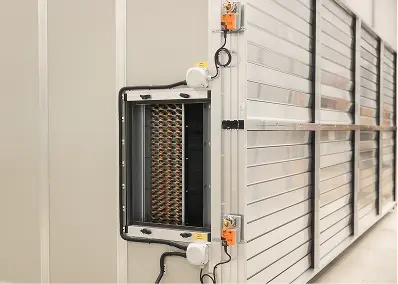
Flexible Cooling Methods and Fit-for-Purpose Design
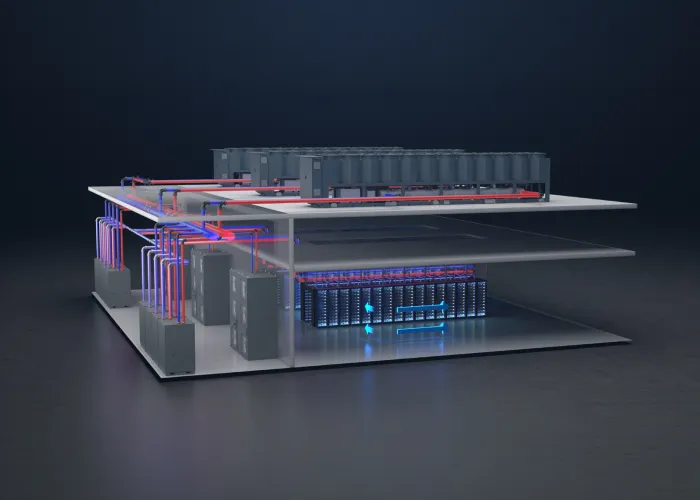
Munters takes a technology-agnostic approach to cooling design. Whether air, liquid, or a hybrid architecture is the right choice, our engineering teams co-create solutions that avoid lock-in and support long-term flexibility as your data center evolves.
-
“
At least 60% of the market is based on chilled water solutions. Without chillers, you are limited in how you can support customers.

-
“
Customers stay with Munters because we combine deep understanding of their needs with innovative solutions and service they can trust – long term.

-
“
What sets Munters apart is our ability to engage with customers and their consulting engineers to rapidly develop unique, optimal solutions. Our R&D, applications, and sales engineers collaborate with the customer to achieve the solution at a competitive price.

How to Choose the Right Cooling System for Your Data Center
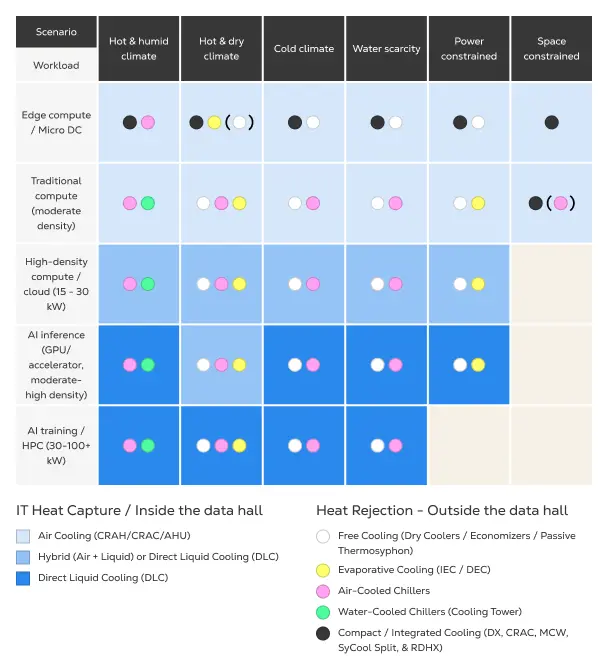
Every data center has its own thermal profile. For high-density data center cooling, climate, rack density, future density roadmaps, growth ambitions and sustainability targets determine which cooling architecture delivers the best long-term performance.
Choosing the right approach requires a comprehensive understanding of how air, hybrid and liquid cooling systems operate, and where each approach excels under different energy, water and space constraints.
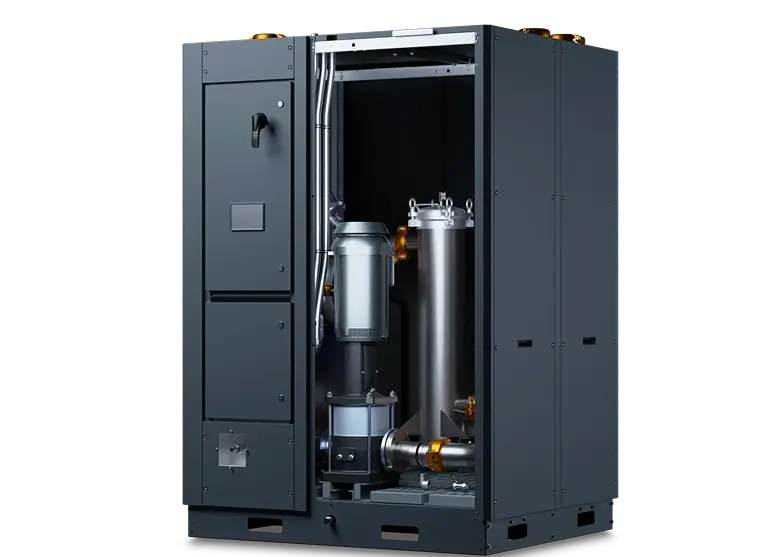
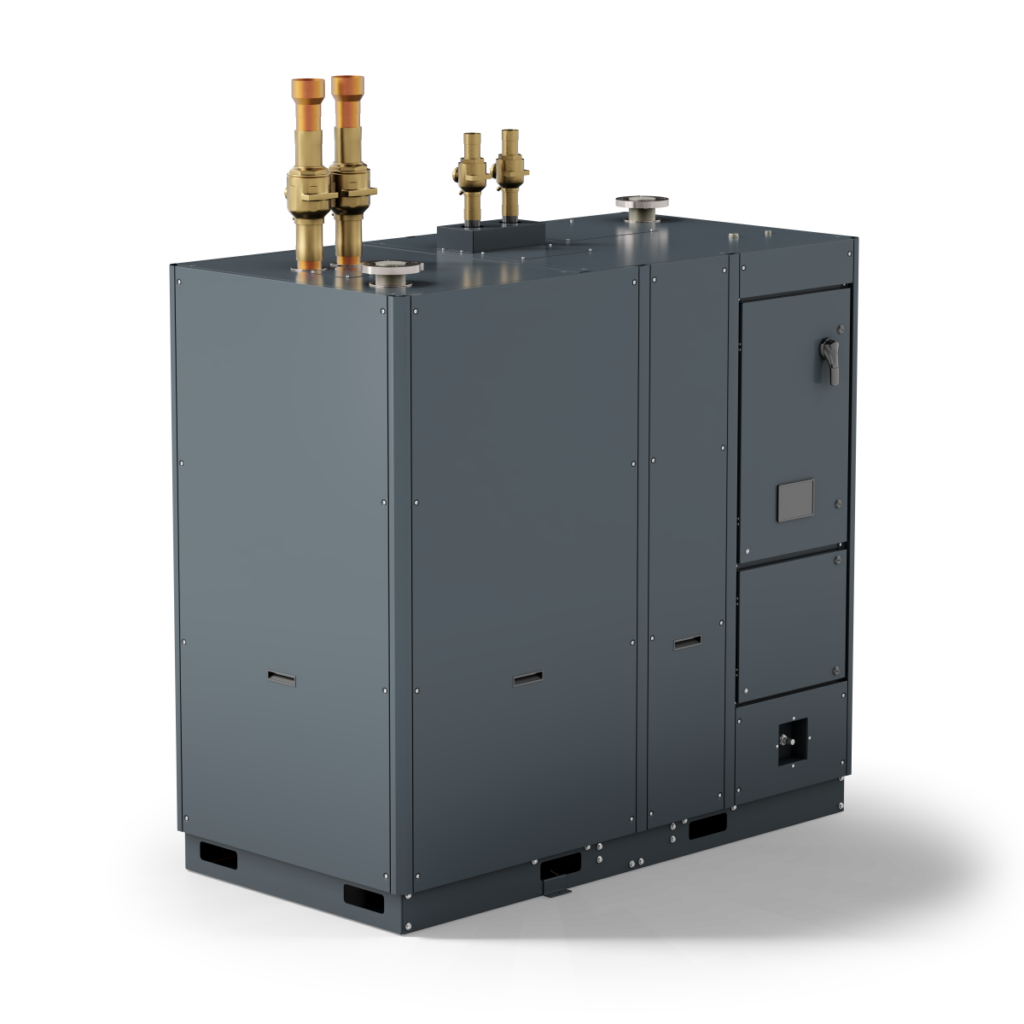
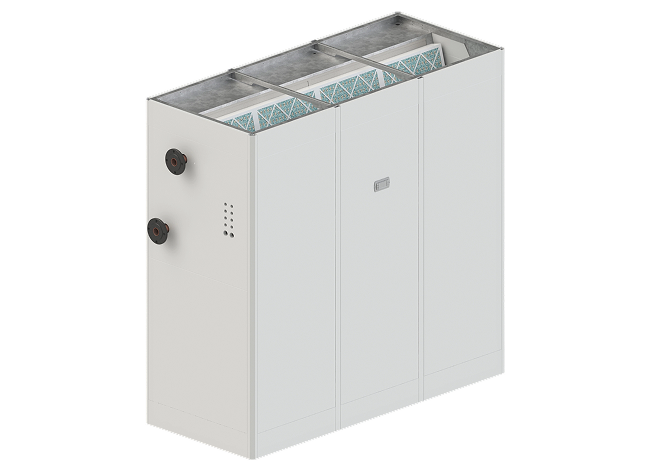
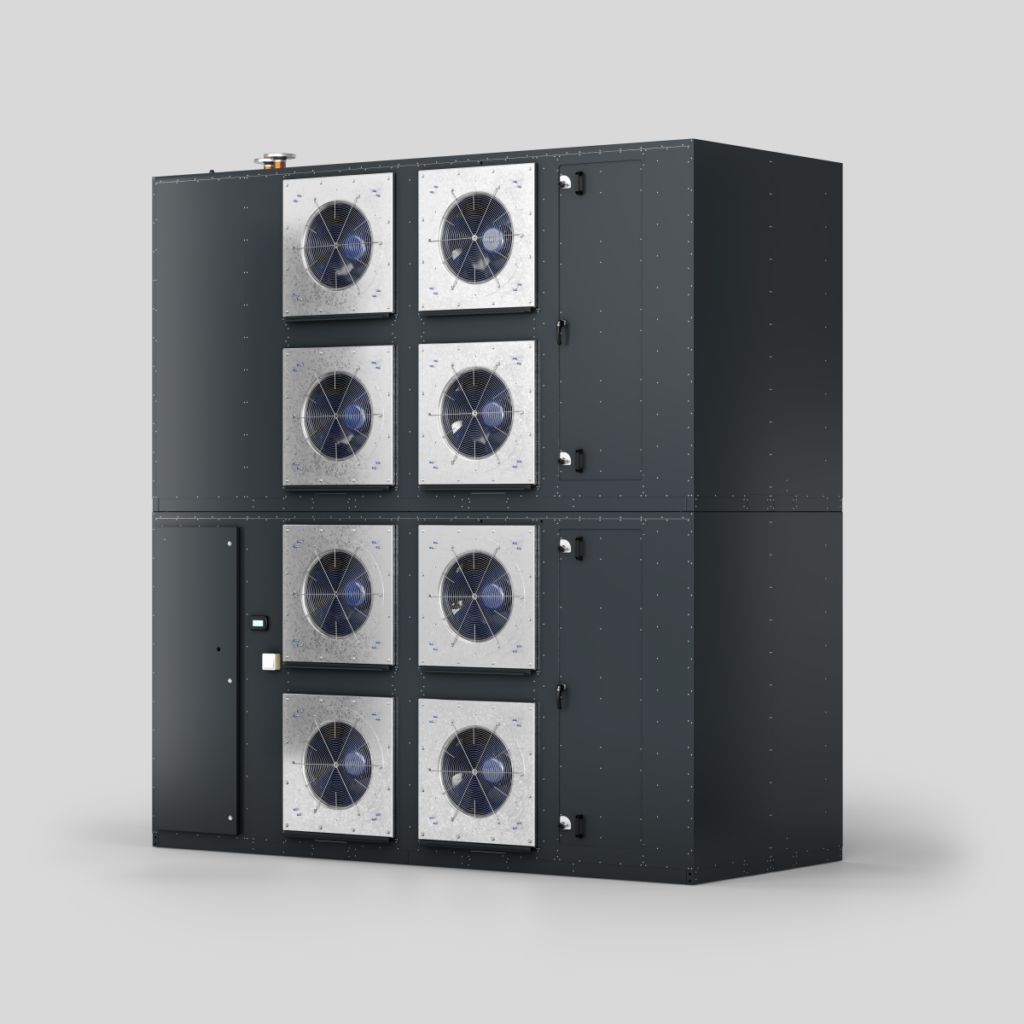
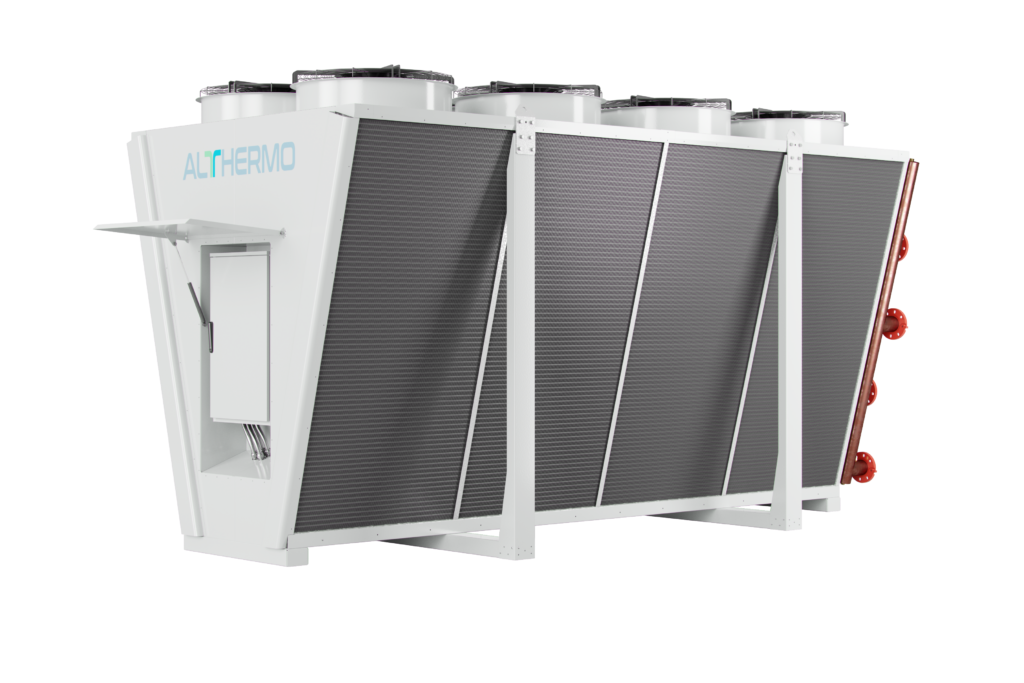
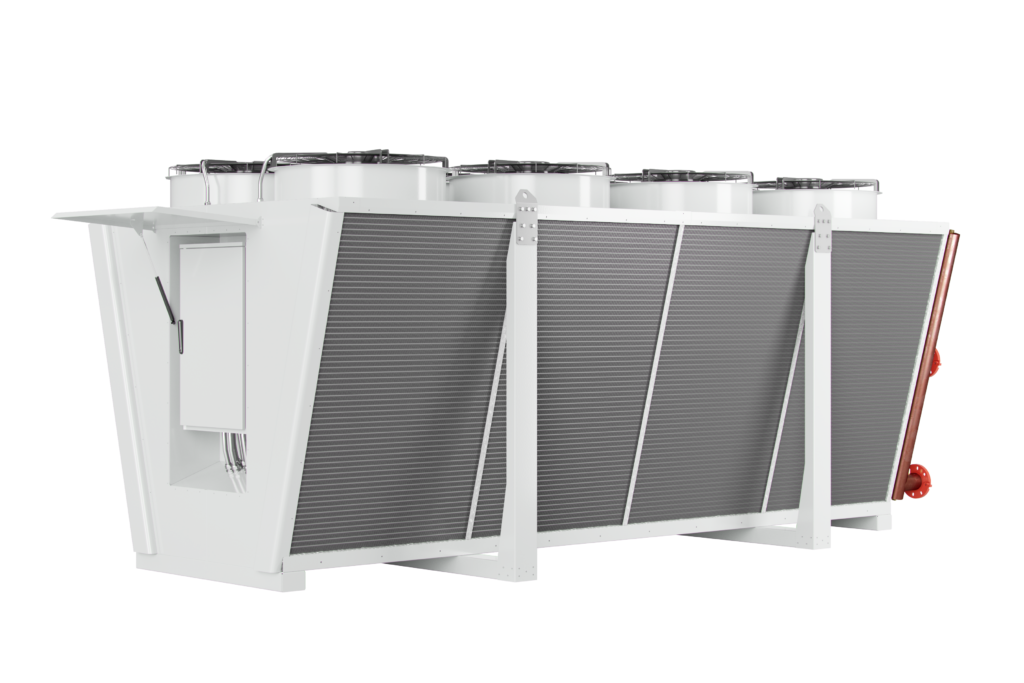
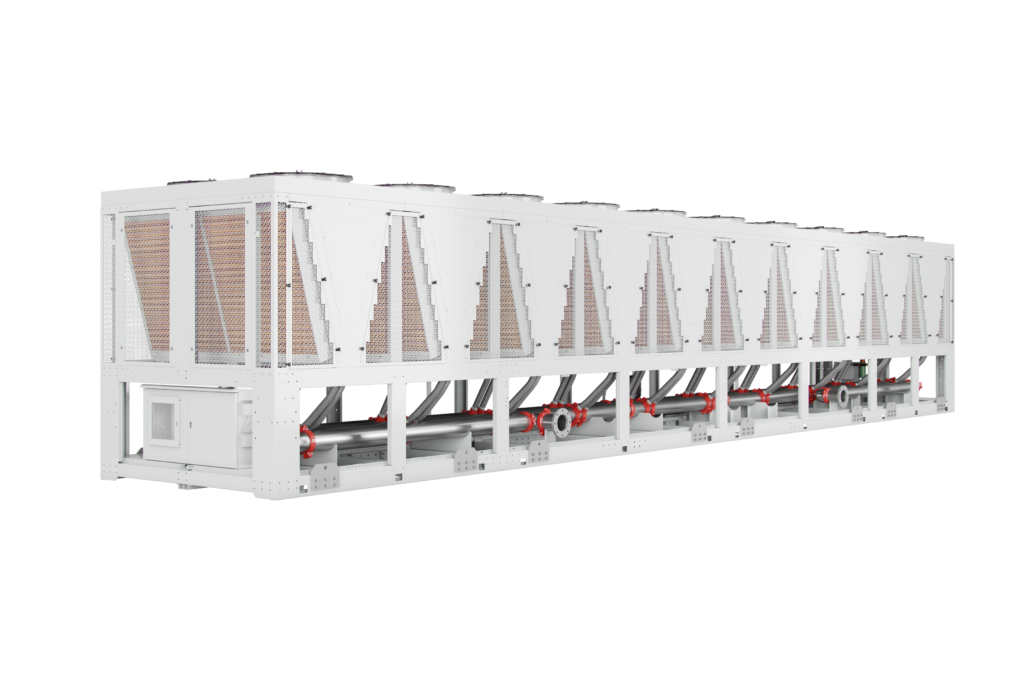
Munters Data Center Cooling Products
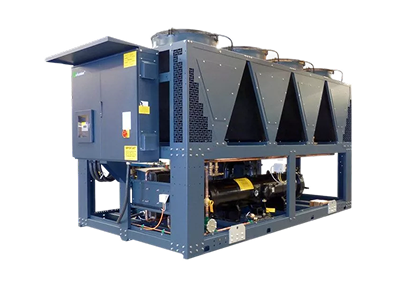
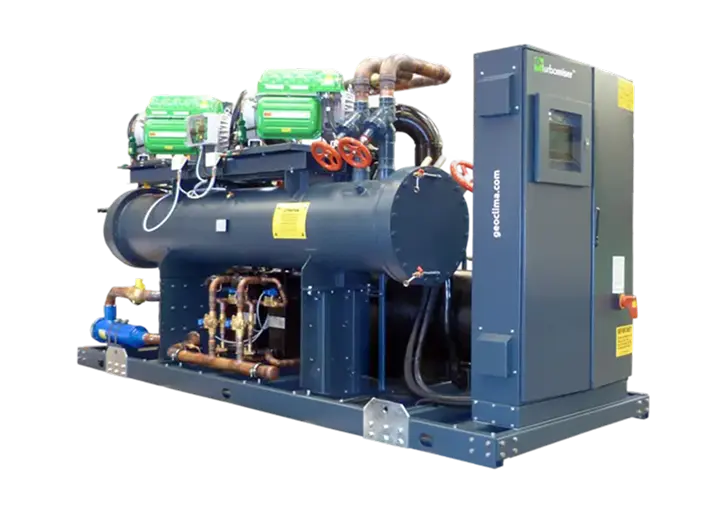
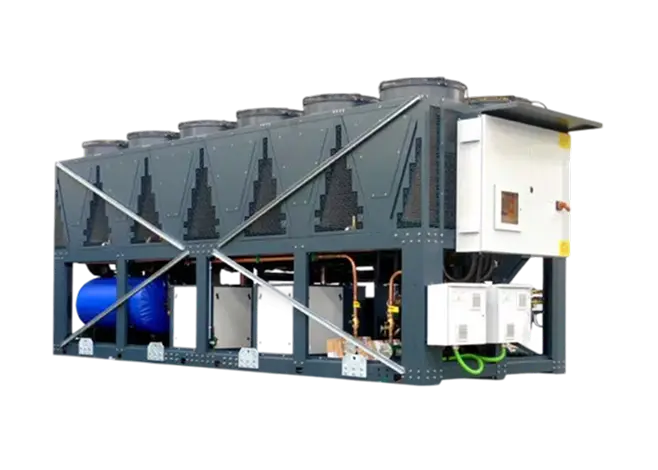
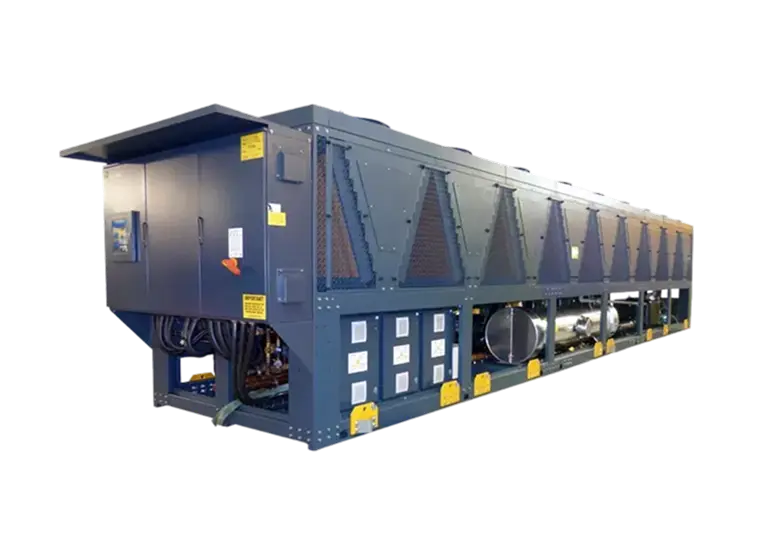
Global Reach, Local Expertise
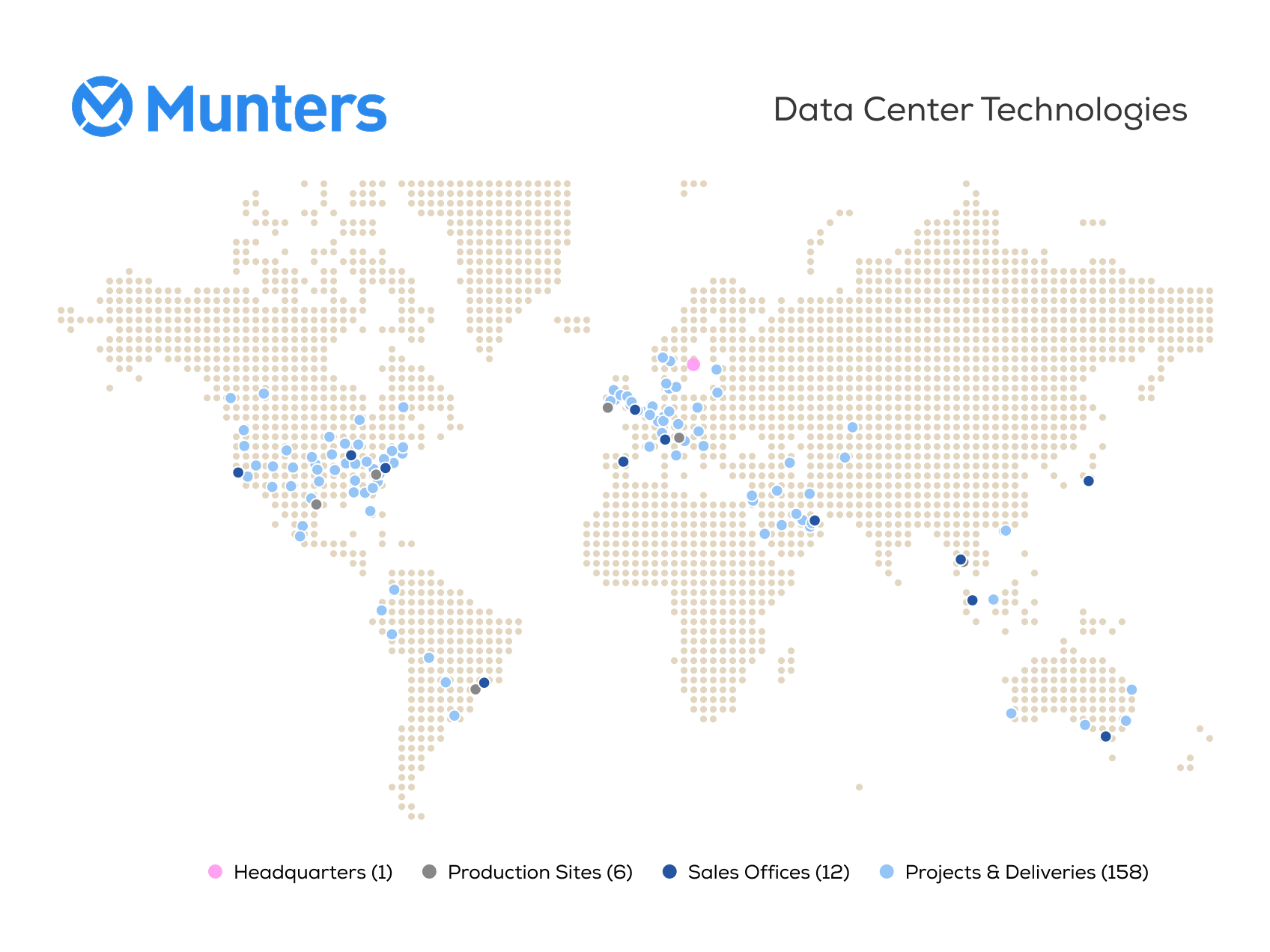
Leading data center operators trust Munters, as reflected in our projects and deliveries worldwide.
With production facilities and sales offices worldwide, we deliver localized support and international scale wherever you need us.
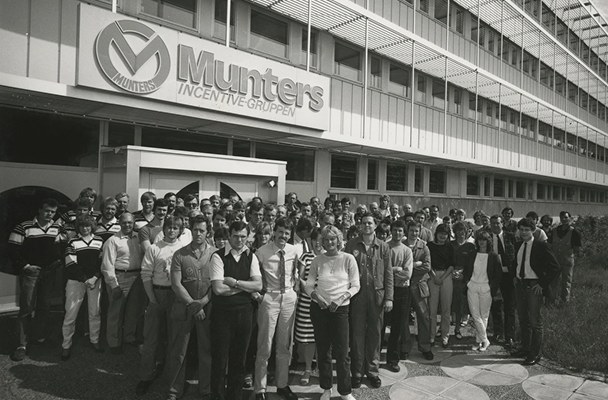
“With more than 70 years of experience in climate control, Munters has a proven foundation for innovation. In Munters Data Center Technologies, we build on that legacy to deliver thermal management solutions designed for the future.”
The Future of Data Center Cooling
As data center densities rise, infrastructure electrifies and sustainability targets tighten, cooling systems are evolving from static mechanical infrastructure to adaptive, energy-optimized platforms.
Munters is engineering the next generation of cooling architectures, enabling higher densities, retrofit transformation and circular heat reuse. One emerging technology shaping this evolution is 2-phase direct-to-chip cooling.
Cooling architectures designed for rising rack densities, from enterprise upgrades to high-performance AI clusters
Modular and retrofit-ready systems, enabling phased data center transformation
Energy-optimized systems supporting heat reuse and net-zero pathways
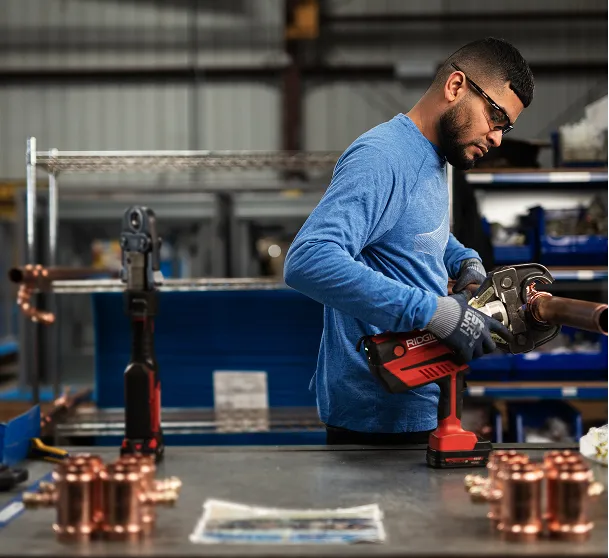
Service and Support for Long-Term Performance
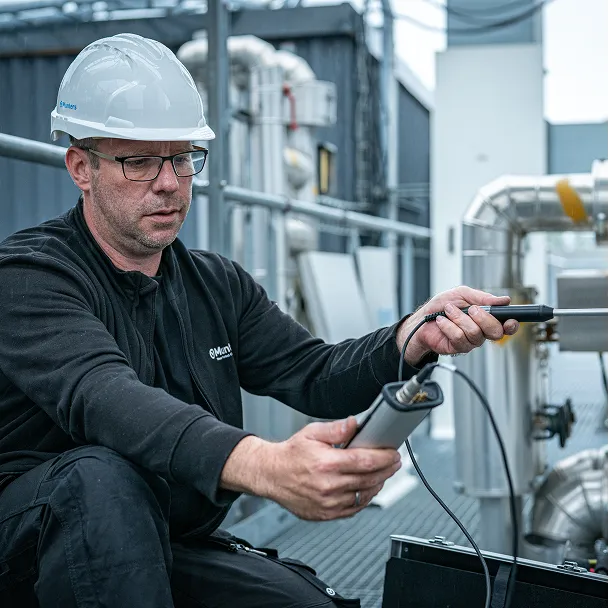
As the original equipment manufacturer, Munters designs, builds, and services data center cooling systems – ensuring stable, efficient performance across the full lifecycle.
Our engineering-led service approach supports uptime, system reliability, and continuous optimization through every stage of operation.
- 24/7 technical support
- Preventive and predictive maintenance
- Genuine spare parts
- System upgrades and retrofit solutions
Data Center Cooling Systems Explained
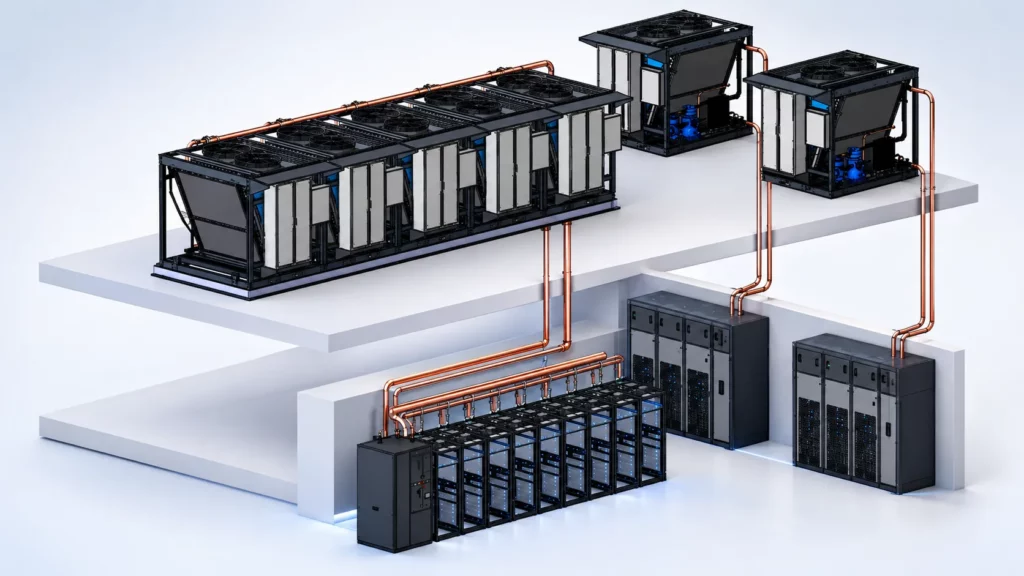
Data center cooling systems remove heat using air-based, liquid-based and hybrid technologies, supported by facility-side heat rejection systems. Each approach operates differently and is suited to specific power densities, climates and data center designs. Below is an overview of the most widely deployed cooling technologies in modern data centers.

Engineering a Sustainable Cooling Future
As rack densities rise and environmental targets tighten, data center cooling must transition into adaptive, energy-optimized platforms. Munters minimizes resource strain through scalable thermal architectures designed for absolute efficiency.
Our engineered approach to sustainability includes:
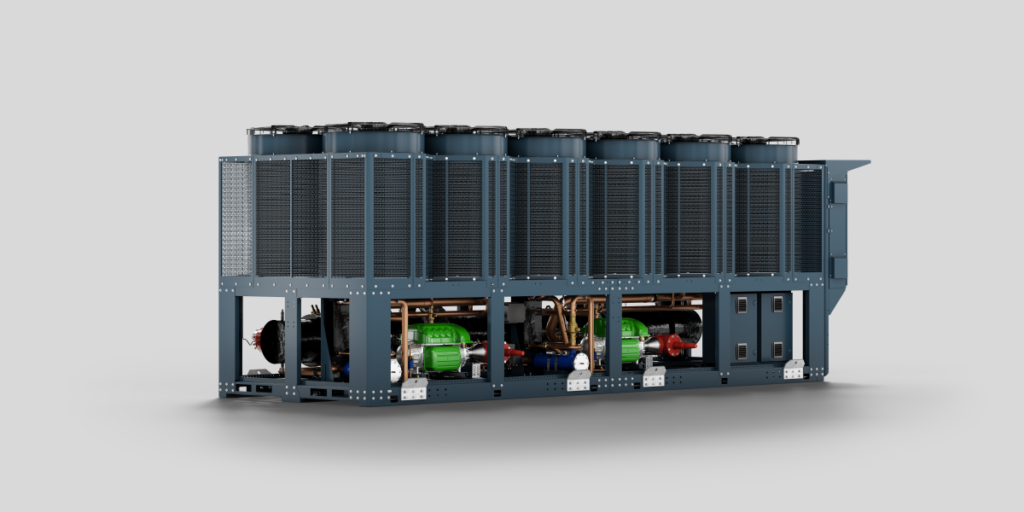
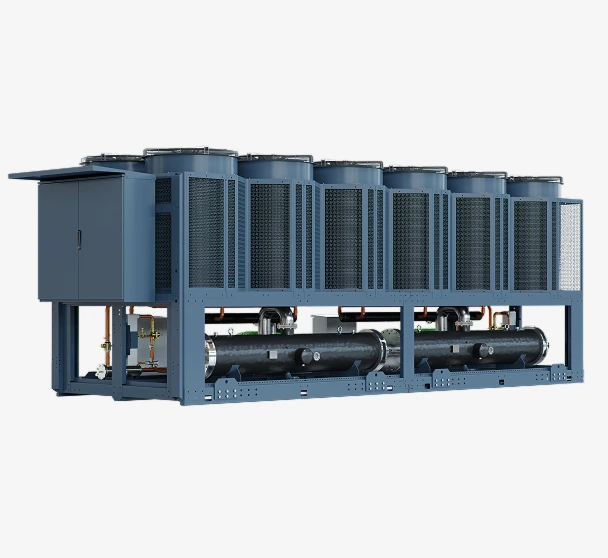
- Innovative chiller designs – e.g., cylindrical coils yielding up to 35% power savings
- Water-free thermosiphon cooling
- Intelligent free-cooling orchestration
- High-efficiency evaporative systems with ultra-low PUE ranges
- Circular waste-heat recovery networks
Case Studies
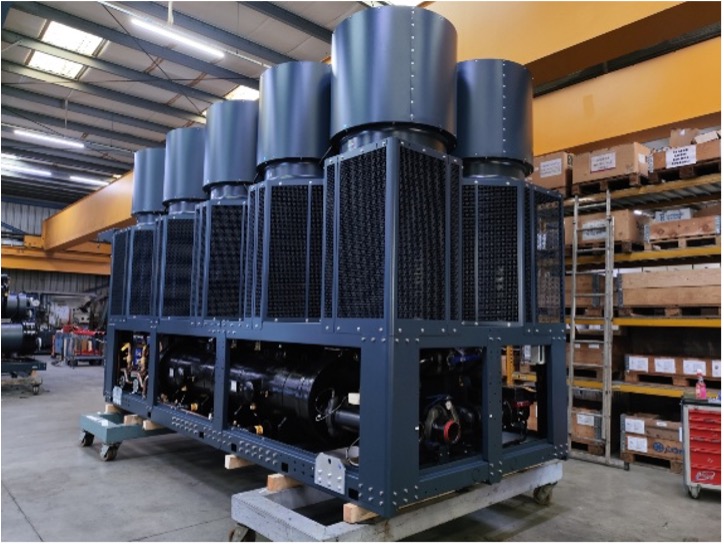
Rapid Results: Munters Delivers 10MW of Cooling Capacity in Record Time for a Leading Digital Infrastructure Provider in Sydney
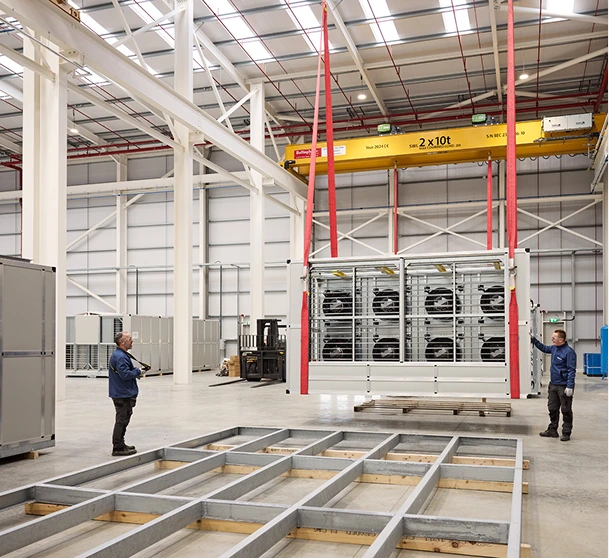
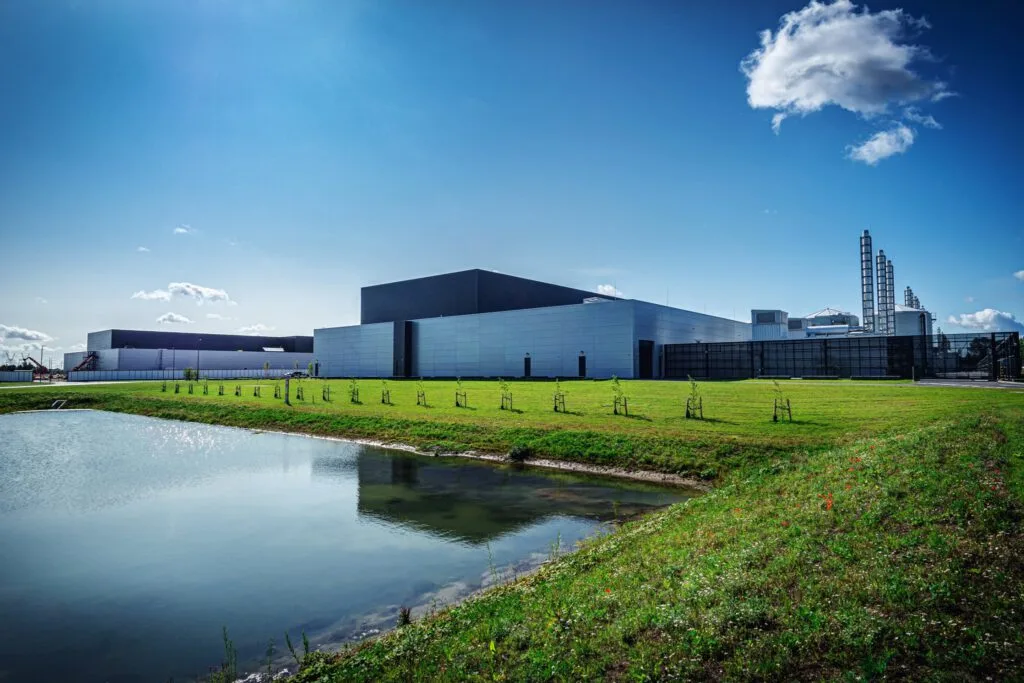
Harnessing heat from Odense data center for reuse in district heating
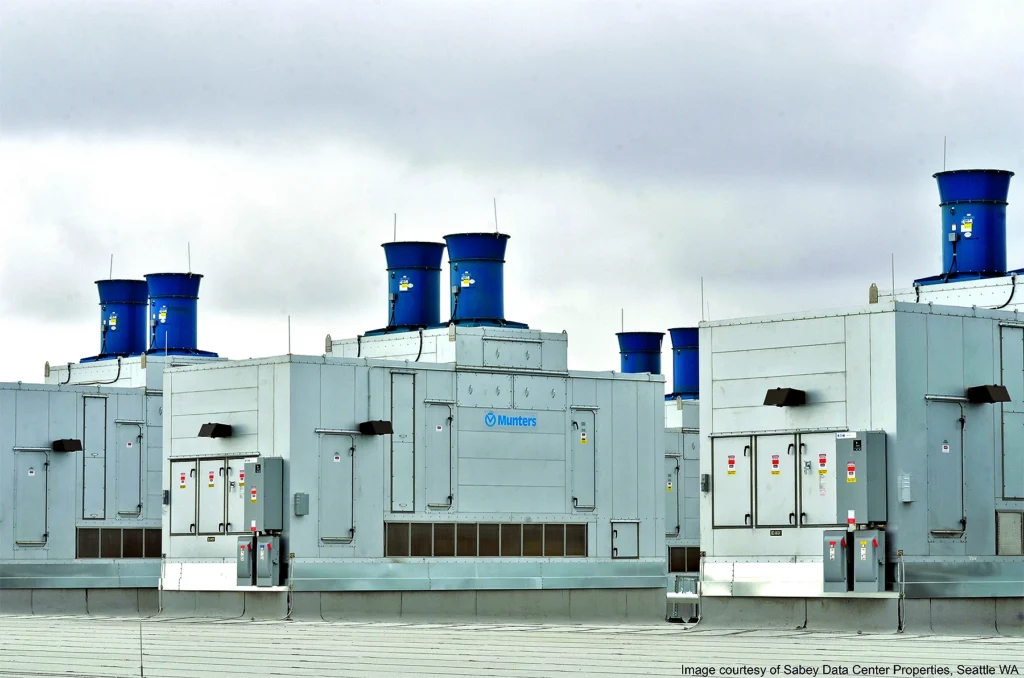
Sabey USA Data Center optimizes cooling with energy-efficient heat rejection
Oasis delivers optimal climate control for Equinix